
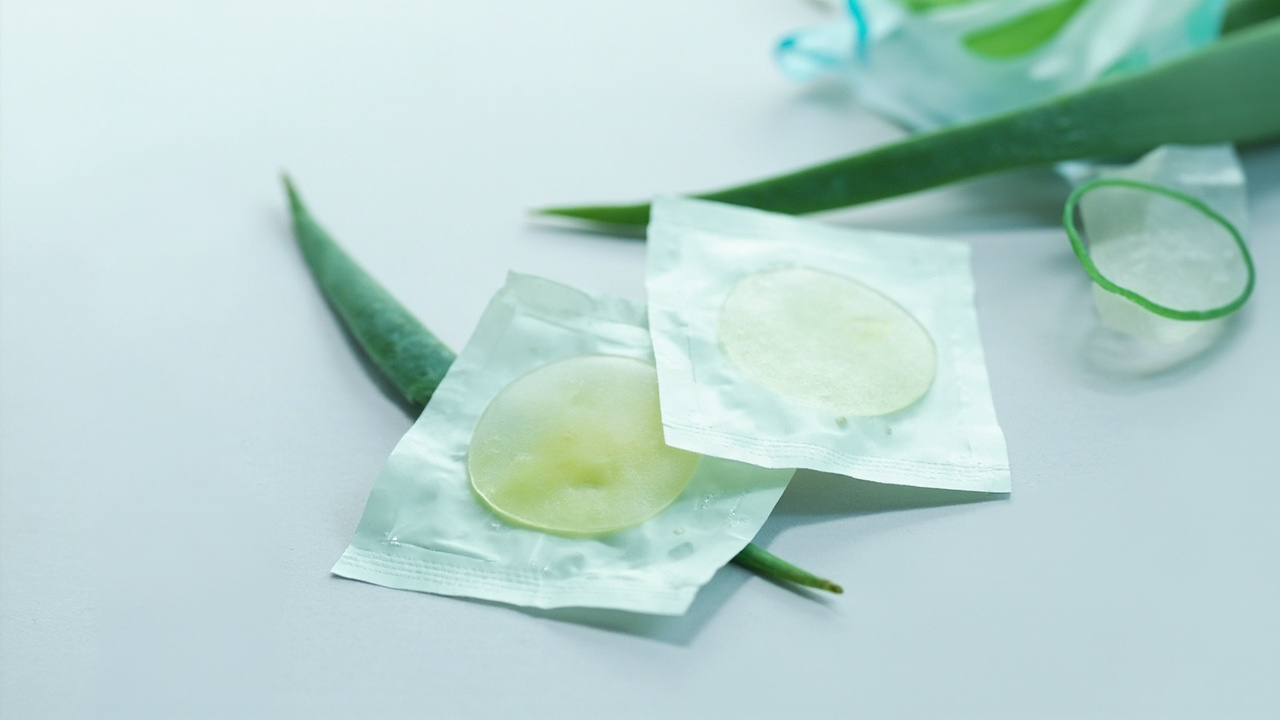
As consumer demand for soothing skincare continues to rise, the after sun patch has emerged as a must-have product in the post-sun care category. Formulating an effective after sun patch requires a delicate balance of ingredients—aloe vera, menthol, and water content—each playing a critical role in delivering cooling relief and skin repair. For brands seeking to capitalize on this trend, understanding the science behind these formulations is essential. This guide dives deep into the formulation strategies, market data, and regulatory considerations for developing a winning after sun patch. Whether you’re an established brand or a newcomer, partnering with an experienced OEM like Kongdy Health can streamline your path to market.
Key Takeaways
- Market Drivers for After Sun Cooling Patches
- The Role of Aloe Vera in After Sun Patch Formulation
- Menthol: The Cooling Sensation
- Water Content: The Unsung Hero of Hydrogel Patches
- Formulation Optimization: Balancing Actives and Matrix
- Regulatory and Quality Considerations
Key Takeaways
- Aloe vera concentration (typically 10-30%) is crucial for anti-inflammatory and moisturizing effects, with higher purity grades commanding premium positioning.
- Menthol provides immediate cooling via TRPM8 activation; optimal levels range from 0.5-2% to avoid irritation while ensuring sensory impact.
- Water content in the hydrogel matrix affects adhesion, cooling duration, and stability; target 60-80% water activity for optimal performance.
- The global transdermal patch market is projected to reach $8.5 billion by 2027 (Grand View Research, 2020), with cooling patches among the fastest-growing segments.
- Regulatory compliance (FDA, ISO 13485, GMP) is non-negotiable; OEM partners must provide documented quality systems.
- Kongdy Health offers turnkey OEM/ODM services for after sun patches, from formulation to packaging, with certifications and 36+ years of experience.
Market Drivers for After Sun Cooling Patches
The after sun care market has experienced robust growth, driven by increasing awareness of sun damage and the desire for convenient, on-the-go skincare solutions. According to Grand View Research (2020), the global transdermal patch market was valued at $5.6 billion in 2019 and is expected to expand at a CAGR of 6.7% from 2020 to 2027, reaching $8.5 billion. Within this, cooling patches represent a significant and growing niche, fueled by rising temperatures and consumer preference for instant cooling relief.
Furthermore, the sun care market itself is booming. A report by MarketsandMarkets (2021) estimates the global sun care products market will grow from $11.6 billion in 2021 to $14.7 billion by 2026, at a CAGR of 4.8%. This growth is largely attributed to increasing skin cancer awareness and the adoption of preventive skincare routines. After sun patches, as a complementary product, benefit from this trend as consumers seek holistic sun protection and recovery solutions.
Another key driver is the shift towards water-based, hydrogel patches that offer a mess-free application and sustained release of actives. Unlike traditional creams and lotions, patches provide targeted, long-lasting cooling and hydration, making them ideal for post-sun exposure. This aligns with the broader consumer preference for convenient, portable formats in skincare.
The Role of Aloe Vera in After Sun Patch Formulation
Aloe vera is the cornerstone of any effective after sun patch, renowned for its anti-inflammatory, moisturizing, and healing properties. The gel contains polysaccharides, vitamins, enzymes, and amino acids that work synergistically to soothe sunburned skin, reduce redness, and accelerate repair. In patch formulations, aloe vera extract is typically incorporated at concentrations ranging from 10% to 30%, depending on the desired efficacy and cost considerations.
However, not all aloe is created equal. The quality and purity of aloe extract significantly impact the final product’s performance. High-quality aloe vera gel, standardized to acemannan content (the key active polysaccharide), ensures consistent anti-inflammatory effects. For OEM production, it’s vital to source aloe from reputable suppliers who provide certificates of analysis (COA) and adhere to Good Manufacturing Practices (GMP). Kongdy Health, with its ISO 13485 certification, ensures that all raw materials, including aloe, meet stringent quality standards.
Formulators must also consider the compatibility of aloe with other ingredients. Aloe’s natural polymers can affect the viscosity and adhesion of the hydrogel matrix. Therefore, rheology modifiers and crosslinkers may be needed to achieve the desired texture and peel strength. Additionally, aloe’s pH (typically 4-5) should be adjusted to match skin-friendly levels (pH 5.5) to avoid irritation.
Menthol: The Cooling Sensation
Menthol is the go-to cooling agent in after sun patches, providing an immediate and refreshing sensation that consumers love. It works by activating the TRPM8 receptor (a cold-sensing ion channel) on nerve endings, creating a perception of cold without actual temperature change. The typical concentration of menthol in cooling patches ranges from 0.5% to 2%. Higher levels can cause irritation or a burning sensation, especially on sensitive or damaged skin, so precise formulation is critical.
Beyond its sensory effect, menthol offers mild analgesic and anti-inflammatory properties, which can further soothe sunburned skin. However, menthol is volatile and can evaporate during storage, leading to reduced efficacy. To mitigate this, formulators often use encapsulation techniques or incorporate menthol into the hydrogel matrix in a way that ensures sustained release. Additionally, menthol’s lipophilic nature means it can disrupt the hydrogel structure; thus, solubilizers or co-solvents like ethanol or propylene glycol are often added to maintain stability.
For OEM production, it’s essential to use high-purity menthol (e.g., USP grade) and to conduct stability studies to ensure the menthol content remains within specification throughout the product’s shelf life. Regulatory bodies such as the FDA require that menthol levels in topical products be safe and accurately labeled. Kongdy Health’s GMP-compliant facilities ensure precise menthol dosing and quality control.
Water Content: The Unsung Hero of Hydrogel Patches
Water is the most abundant component in hydrogel patches, typically comprising 60-80% of the formulation. It serves multiple functions: it acts as a solvent for actives, provides a cooling effect through evaporation, and gives the patch its pliable, skin-friendly texture. The water content directly influences the patch’s adhesion, flexibility, and duration of cooling.
However, water content is a double-edged sword. Too much water can lead to weak adhesion, excessive swelling, and microbial growth. Too little water results in a stiff, uncomfortable patch that doesn’t provide the desired cooling. Therefore, optimizing water activity (aw) is crucial. A water activity below 0.6 is generally recommended to inhibit microbial growth without the need for harsh preservatives, although this must be balanced with the desired cooling performance.
Moreover, the type of water used matters. Purified water (USP) is a must to avoid contaminants. The hydrogel matrix typically consists of water combined with gelling agents like polyacrylic acid, polyvinyl alcohol, or cellulose derivatives, along with humectants (e.g., glycerin) to retain moisture. The interaction between water and these polymers determines the patch’s mechanical properties. Formulators must also consider the evaporation rate of water during use; a patch that dries out too quickly loses its cooling effect and adhesion.
Formulation Optimization: Balancing Actives and Matrix
Creating an after sun patch that delivers on all fronts—cooling, soothing, adhesion, and stability—requires a systematic approach to formulation optimization. Here is a step-by-step guide to developing a robust formulation:
- Define Target Product Profile (TPP): Specify desired cooling duration (e.g., 2-4 hours), adhesion strength, skin feel, and active release profile. Consider consumer preferences in your target market.
- Select Ingredients: Choose high-quality aloe vera extract (e.g., 200x concentrate), USP-grade menthol, and pharmaceutical-grade polymers. Ensure all excipients are compatible and meet regulatory standards.
- Optimize Hydrogel Base: Experiment with polymer ratios (e.g., polyacrylic acid vs. CMC) and crosslinker levels to achieve desired viscosity and adhesion. Use a response surface methodology (RSM) to find the sweet spot.
- Incorporate Actives: Add aloe and menthol at the desired concentrations, ensuring uniform dispersion. Use solubilizers if needed. Monitor pH and adjust to 5.5-6.5.
- Evaluate Water Content: Adjust water activity to <0.6 by controlling humectant levels and using proper drying techniques. Conduct microbial challenge tests.
- Conduct Stability Studies: Perform accelerated stability testing (40°C/75% RH for 6 months) to assess physical, chemical, and microbiological stability. Check for menthol loss and aloe degradation.
- Validate Performance: Conduct in vitro release tests and in vivo sensory panels to confirm cooling intensity and duration. Measure adhesion using standardized peel tests.
- Scale-Up: Work with an OEM partner to transfer the formulation to production scale, ensuring consistency and compliance with GMP.
Each step requires careful documentation and quality control. Partnering with an experienced OEM like Kongdy Health can accelerate this process, as they have pre-optimized base formulations and extensive testing capabilities.
Regulatory and Quality Considerations
After sun patches are regulated as medical devices or cosmetics depending on claims and jurisdiction. In the US, if the patch makes drug-like claims (e.g., treats sunburn), it may be regulated as a drug; otherwise, it’s a cosmetic. In the EU, it falls under the Medical Device Regulation (MDR) if it has a medical purpose, or the Cosmetic Regulation. Regardless, compliance with FDA, ISO 13485, and GMP is essential for market access.
ISO 13485 is the international standard for medical device quality management systems, and it ensures that products are consistently designed, developed, and manufactured to meet customer and regulatory requirements. GMP (Good Manufacturing Practice) covers production and quality control. CE marking is required for products sold in the European Economic Area. Kongdy Health holds these certifications, providing clients with confidence in product quality and regulatory compliance.
Additionally, biocompatibility testing (e.g., ISO 10993) is often required to ensure the patch is safe for skin contact. Heavy metal testing, microbial limits, and stability data are also part of the regulatory dossier. OEM partners should provide comprehensive documentation to support regulatory submissions.
Why Partner with Kongdy Health for After Sun Patch OEM?
Kongdy Health has been a trusted OEM/ODM partner since 1989, serving over 120 countries with high-quality transdermal patches. Our state-of-the-art facilities are FDA-registered, ISO 13485-certified, and GMP-compliant, ensuring that your after sun patch meets the highest standards. We offer end-to-end services from formulation development to packaging and regulatory support.
With decades of experience, we have perfected the art of balancing aloe, menthol, and water content to create patches that deliver superior cooling and soothing effects. Our R&D team can customize formulations to match your brand’s unique positioning, whether you need a high-aloe premium patch or a cost-effective version. We also provide a range of patch formats, including hydrogel, hydrocolloid, and silicone adhesives.
Ready to launch your after sun patch? Contact Kongdy Health today to discuss your project. Visit our OEM/ODM services page to learn more and request a quote. Let us help you bring a refreshing, effective product to market.
Frequently Asked Questions
Q1: What is the ideal concentration of aloe vera in an after sun patch?
The ideal concentration of aloe vera extract in an after sun patch typically ranges from 10% to 30%, depending on the desired efficacy and cost. Higher concentrations (20-30%) are often used in premium products for maximum soothing benefits, while 10-15% is common in mass-market offerings. It’s crucial to use standardized aloe extract with known acemannan content to ensure consistent anti-inflammatory effects. Formulators should also consider the extract’s compatibility with the hydrogel matrix and adjust rheology modifiers accordingly.
Q2: How does menthol contribute to the cooling effect, and what are the safety limits?
Menthol activates the TRPM8 receptor, creating a cooling sensation without actual temperature change. In after sun patches, menthol concentrations typically range from 0.5% to 2%. Levels above 2% may cause irritation, especially on sunburned or sensitive skin, so it’s important to stay within safe limits. Additionally, menthol is volatile, so encapsulation or matrix optimization may be needed to ensure stability. Regulatory bodies require accurate labeling of menthol content, and safety assessments should be conducted to confirm skin compatibility.
Q3: Why is water content critical in hydrogel patches, and how is it controlled?
Water content affects adhesion, cooling duration, and microbial stability. In hydrogel patches, water typically comprises 60-80% of the formulation. To control water content, formulators adjust humectant levels (e.g., glycerin) and use drying techniques to achieve a water activity below 0.6, which inhibits microbial growth. Additionally, the type of water (purified) and the polymer matrix composition influence water retention. Proper control ensures the patch remains pliable, adheres well, and provides sustained cooling without drying out too quickly.
Sources
- Grand View Research: Transdermal Patches Market Size Report, 2020-2027
- MarketsandMarkets: Sun Care Products Market Report, 2021-2026
- FDA: Quality System (QS) Regulation/Medical Device Current Good Manufacturing Practices (CGMP)
- ISO 13485:2016 Medical devices — Quality management systems — Requirements for regulatory purposes
Related reading
Comparing suppliers? Send us your specification.
Tell us the product, quantity and target market. You will get pricing, MOQ and lead time within 12 hours — no obligation, NDA available.
MOQ 10,000 pcs · Samples 7–10 days · Factory since 1989 · FDA · ISO 13485 · CE · GMP · 120+ countries
Send Us Your Inquiry
Tell us your requirements — we usually respond with a preliminary quotation and sampling plan within 12 hours.