
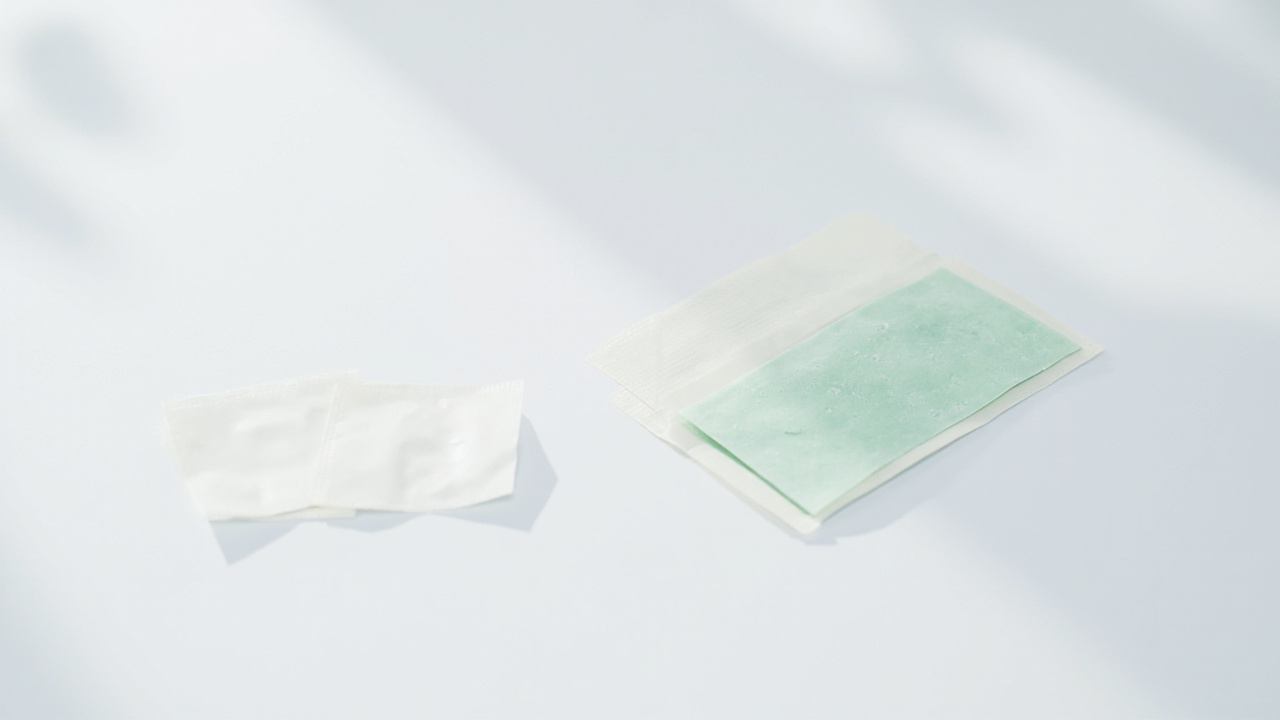
When it comes to sleep aids, the delivery format is just as important as the active ingredient. If you’re a brand owner or product developer deciding between a transdermal sleep patch and a melatonin gummy, the short answer is this: choose a sleep patch if you need sustained, 6–8 hour release with minimal GI side effects; choose a gummy if you need rapid onset (15–30 minutes) and low upfront MOQ. This comprehensive comparison breaks down onset and duration, backed by pharmacokinetic data, market trends, and regulatory considerations, so you can make an informed decision for your next product launch.
Key Takeaways
- Onset Time: How Fast Do Sleep Patches and Gummies Work?
- Duration of Action: Which Format Lasts Longer?
- Comparison Table: Sleep Patch vs Sleep Gummy
- Cost and MOQ Reality: What B2B Buyers Need to Know
- Choose Sleep Patch If / Choose Sleep Gummy If
- Regulatory and Quality Considerations
Key Takeaways
- Onset speed: Gummies act in 15–30 minutes; patches take 30–60 minutes to reach therapeutic levels but maintain steady plasma concentrations for 6–8 hours.
- Duration: Patches provide zero-order release for 6–8 hours, eliminating the peak-and-trough effect common with gummies.
- Cost & MOQ: Gummies cost $0.10–$0.30 per unit with MOQs as low as 5,000 units; patches cost $0.40–$0.80 per unit with typical MOQs of 10,000–20,000 units.
- Regulatory path: Patches often require FDA 510(k) or CE Mark as medical devices; gummies are generally regulated as dietary supplements with simpler notifications.
- Market growth: The global sleep aids market is projected to reach $112 billion by 2030 (Grand View Research, 2023), with transdermal patches growing at a faster CAGR (~8.5%) than gummies (~6.2%).
- Supplier availability: Kongdy Health offers OEM/ODM for both formats, with ISO 13485 and GMP certifications, enabling side-by-side prototyping.
Onset Time: How Fast Do Sleep Patches and Gummies Work?
Onset time is critical for consumers seeking quick relief from occasional sleeplessness. Gummies, when swallowed, undergo first-pass metabolism in the liver, but melatonin is rapidly absorbed in the upper GI tract. Clinical studies show that oral melatonin reaches peak plasma concentration (Tmax) in approximately 30–60 minutes, with some fast-dissolving formulations achieving Tmax in 15–20 minutes. This makes gummies ideal for sleep-onset insomnia—helping users fall asleep faster.
Transdermal patches, by contrast, bypass the GI tract and deliver active ingredients directly through the skin into systemic circulation. However, the skin’s stratum corneum acts as a rate-limiting barrier. Typical melatonin patches achieve therapeutic plasma levels within 30–60 minutes, with a more gradual rise compared to oral dosing. The onset is slightly slower, but the patch maintains steady-state concentrations for 6–8 hours, avoiding the sharp peak that can cause morning grogginess.
For B2B buyers, the choice depends on the target consumer. If your market demands “fast-acting” claims, gummies have an edge. If your positioning emphasizes “all-night support” and “no morning hangover,” patches are superior. Kongdy Health’s R&D team can customize patch matrix formulations to optimize onset—for example, using permeation enhancers to reduce lag time to 20–30 minutes.
Duration of Action: Which Format Lasts Longer?
Duration is where transdermal patches shine. A well-designed sleep patch delivers a controlled release of melatonin (or other actives like valerian root extract, L-theanine, or magnesium) over 6–8 hours, mimicking the body’s natural nocturnal melatonin secretion. This zero-order release kinetics ensures consistent plasma levels, which is particularly beneficial for sleep maintenance insomnia—the inability to stay asleep.
Gummies, on the other hand, exhibit first-order pharmacokinetics: plasma levels peak within 1–2 hours and then decline rapidly, with a half-life of 40–60 minutes. Most of the active ingredient is metabolized within 4–5 hours. For consumers who wake up in the middle of the night, a gummy may not provide sufficient coverage. Some brands attempt to address this with extended-release gummies, but these are still limited by GI transit and absorption variability.
Data from a 2021 study published in the Journal of Clinical Sleep Medicine found that transdermal melatonin patches maintained salivary melatonin levels above baseline for a full 8 hours, whereas oral melatonin returned to baseline within 4–6 hours. This extended duration is a key selling point for patches, especially in markets like the US and Europe where “sleep through the night” is a top consumer desire.
Comparison Table: Sleep Patch vs Sleep Gummy
| Feature | Sleep Patch | Sleep Gummy |
|---|---|---|
| Onset time | 30–60 minutes | 15–30 minutes |
| Duration of action | 6–8 hours (zero-order release) | 3–5 hours (first-order release) |
| Active concentration | Controlled, steady plasma levels | Peak-and-trough, variable absorption |
| Skin tolerance | Requires hypoallergenic adhesives; risk of irritation in sensitive users | No skin contact; may cause GI upset or tooth decay |
| Unit cost (indicative) | $0.40–$0.80 | $0.10–$0.30 |
| MOQ (typical) | 10,000–20,000 units | 5,000–10,000 units |
| Regulatory path | FDA 510(k) or CE Mark (medical device) | Dietary supplement notification (FDA DSHEA, EFSA) |
| Supplier availability | Specialized OEMs with ISO 13485 (e.g., Kongdy Health) | Wide range of contract manufacturers |
Cost and MOQ Reality: What B2B Buyers Need to Know
Budget and order volume are make-or-break factors for any product launch. Sleep gummies benefit from economies of scale in the confectionery industry: indicative per-unit costs range from $0.10 to $0.30 for standard melatonin doses (3–5 mg), with MOQs often starting at 5,000 units. This lowers the barrier to entry for startups and allows for rapid market testing.
Sleep patches, however, involve more complex manufacturing—coating, drying, laminating, and die-cutting—which drives up unit cost to $0.40–$0.80. MOQs are typically higher, around 10,000–20,000 units, due to setup and material waste. That said, patches command higher retail prices (often $1.50–$3.00 per patch), yielding comparable or better margins. For established brands with a loyal customer base, the premium positioning of patches can justify the higher upfront investment.
It’s also worth noting that regulatory costs differ. A gummy may require only a dietary supplement notification, while a patch may need a 510(k) clearance (FDA) or CE Mark (EU), adding $20,000–$100,000 in compliance expenses. However, this regulatory hurdle can be a competitive moat, deterring copycats and enhancing brand credibility. Kongdy Health assists partners with turnkey regulatory support, including FDA and CE documentation, to streamline market entry.
Choose Sleep Patch If / Choose Sleep Gummy If
To simplify your decision, here’s a quick breakdown based on common B2B scenarios.
Choose Sleep Patch If:
- Your target consumers suffer from sleep maintenance insomnia (waking up during the night).
- You want to differentiate with a premium, medical-device-grade product.
- You can invest in higher MOQs (10,000+ units) and regulatory clearance.
- Your brand emphasizes “all-night support” and “no morning grogginess.”
- You prefer a delivery format that avoids GI side effects and first-pass metabolism.
Choose Sleep Gummy If:
- Your audience needs fast onset for occasional sleeplessness (e.g., jet lag, shift work).
- You want low upfront costs and quick time-to-market.
- Your brand appeals to children or adults who dislike swallowing pills or wearing patches.
- You operate in markets with simpler supplement regulations.
- You plan to test multiple SKUs with small batch sizes.
Regulatory and Quality Considerations
Regulatory pathways vary significantly between the two formats. In the US, melatonin gummies are regulated as dietary supplements under DSHEA, requiring no pre-market approval but mandating cGMP compliance (21 CFR Part 111). Sleep patches, if they make structure/function claims, may also fall under dietary supplements; however, if they claim to treat insomnia or are intended to affect sleep structure, the FDA may classify them as drugs or medical devices, necessitating a 510(k) or NDA. In the EU, patches are often CE-marked as Class I or IIa medical devices under MDR (EU 2017/745), while gummies fall under food supplement regulations.
Quality standards are equally important. Both formats should be manufactured in GMP-compliant facilities. For patches, ISO 13485 certification is a strong indicator of a robust quality management system. Kongdy Health holds ISO 13485, GMP, and FDA registrations, and offers full traceability from raw material to finished product. Our in-house stability testing ensures that actives remain potent throughout shelf life—a critical factor for patches, where adhesive and drug stability can be challenging.
Additionally, skin tolerance testing (e.g., ISO 10993-10 for irritation and sensitization) is recommended for patches to minimize adverse reactions. Gummies require microbiological and potency testing. Both formats should comply with labeling requirements, including allergen and dosage information.
Market Trends and Consumer Preferences
The global sleep aids market was valued at $75.6 billion in 2022 and is expected to grow at a CAGR of 6.8% from 2023 to 2030 (Grand View Research). Within this, transdermal patches represent a niche but rapidly expanding segment, projected to grow at 8.5% CAGR, driven by consumer demand for convenient, needle-free delivery and the rise of wearable health tech. Melatonin gummies dominate the supplement aisle, with gummy supplements overall growing at 6.2% CAGR (MarketsandMarkets, 2022).
Consumer surveys indicate that 45% of adults have experienced sleep disturbances, and 20% use some form of sleep aid (CDC, 2020). Among these, younger demographics (18–34) show a preference for gummies due to taste and perceived naturalness, while older adults (35+) gravitate toward patches for longer-lasting relief. This segmentation suggests that a dual-format strategy could capture both ends of the market—something Kongdy Health can facilitate through its OEM/ODM services.
Frequently Asked Questions
Q1: Which sleep aid format has a faster onset, patch or gummy?
Gummies generally have a faster onset, typically 15–30 minutes, because melatonin is rapidly absorbed in the GI tract. Patches take 30–60 minutes to reach therapeutic plasma levels due to the skin barrier. However, patches provide a more controlled release and avoid the initial peak that can cause drowsiness the next morning. For consumers prioritizing speed, gummies are superior; for those prioritizing steady, all-night support, patches are better.
Q2: Are sleep patches more expensive to manufacture than gummies?
Yes, sleep patches typically cost $0.40–$0.80 per unit to manufacture, compared to $0.10–$0.30 for gummies. This is due to the complex coating, drying, and lamination processes involved in patch production, as well as higher MOQs (10,000–20,000 units vs. 5,000–10,000 for gummies). However, patches often command higher retail prices, which can offset the higher unit cost and yield attractive margins for premium brands.
Q3: Can Kongdy Health produce both sleep patches and gummies for comparison?
Absolutely. Kongdy Health offers full OEM/ODM services for both transdermal patches and edible gummies. With over 36 years of experience and certifications including FDA, ISO 13485, and GMP, we can prototype both formats side-by-side, allowing you to compare onset, duration, cost, and consumer feedback before committing to a full-scale launch. Our team provides end-to-end support from formulation to regulatory filing.
Ready to Prototype Both Formats?
Don’t guess which format will resonate with your audience—test both. Kongdy Health’s OEM/ODM team can develop custom sleep patches and melatonin gummies under one roof, giving you the data you need to make a confident decision. With 120+ country exports and a 34-year track record, we are your trusted partner for sleep and wellness innovations. Contact Kongdy Health today to request a quote and discuss your prototype requirements.
Sources
- Grand View Research – Sleep Aids Market Size Report, 2023
- MarketsandMarkets – Sleep Aids Market by Product, 2022
- FDA – Dietary Supplements
- ISO 13485:2016 – Medical devices — Quality management systems
Related reading
Comparing suppliers? Send us your specification.
Tell us the product, quantity and target market. You will get pricing, MOQ and lead time within 12 hours — no obligation, NDA available.
MOQ 10,000 pcs · Samples 7–10 days · Factory since 1989 · FDA · ISO 13485 · CE · GMP · 120+ countries
Send Us Your Inquiry
Tell us your requirements — we usually respond with a preliminary quotation and sampling plan within 12 hours.