
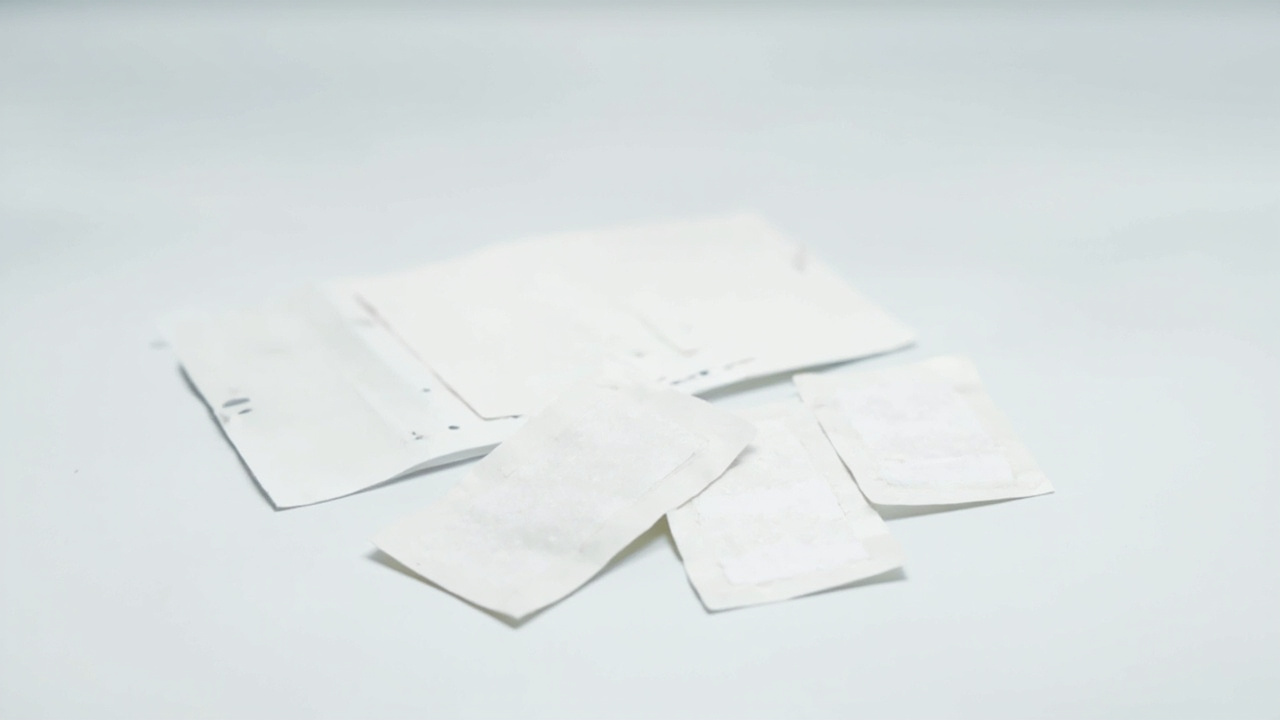
Before you can launch an iron transdermal delivery supplement patch, you must secure a contract manufacturer that provides a FDA establishment registration number, an ISO 13485 certificate with a scope covering transdermal patches, and a stability dossier (typically 6–12 months at 25°C/60% RH and 40°C/75% RH) — budget indicatively $18,000–$45,000 for testing and $12,000–$35,000 for regulatory/audit costs. This guide gives you the exact documents, timelines, and cost ranges for iron patch OEM procurement, so you can qualify suppliers and avoid costly delays.
Key Takeaways
- Why Iron Transdermal Delivery Is Gaining Traction — and Where Formulation Constraints Bite
- Formulation Strategies: Choosing the Right Iron Salt and Matrix
- Stability Testing Requirements: Protocols, Timelines, and Costs
- Regulatory Pathways and Documentation: FDA, ISO 13485, GMP, and CE
- Supplier Qualification Checklist: What to Verify Before Signing
- Cost, MOQ, and Lead Time Benchmarks for Iron Patch OEM
Key Takeaways
- Iron patches are typically classified as dietary supplements or cosmetics, not drugs, but the OEM facility must still hold ISO 13485 and GMP certifications; FDA establishment registration is mandatory for US distribution.
- Formulation stability is the biggest technical risk: iron salts (ferrous sulfate, ferric pyrophosphate) are prone to oxidation and pH drift, requiring accelerated testing (40°C/75% RH for 6 months) and real-time data (25°C/60% RH for 12–24 months).
- Typical OEM minimum order quantities (MOQ) range from 50,000 to 100,000 patches, with lead times of 45–90 days after stability clearance and artwork approval.
- Budget indicatively $18,000–$45,000 for stability and biocompatibility testing, plus $12,000–$35,000 for regulatory documentation and audits; HS code classification for transdermal patches is usually 3005.90 or 3822.00 depending on composition.
- Supplier qualification must include a mock FDA audit (2–3 days, $5,000–$12,000) and review of ISO 13485 certificate scope to ensure it covers “transdermal patch manufacturing.”
Why Iron Transdermal Delivery Is Gaining Traction — and Where Formulation Constraints Bite
Iron deficiency remains one of the most common nutritional deficiencies worldwide, affecting an estimated 1.2 billion people according to WHO 2023 data. Oral iron supplements, while effective, suffer from poor absorption and gastrointestinal side effects that reduce compliance. This has driven interest in iron transdermal delivery as an alternative, with the global transdermal patch market projected to reach $8.5 billion by 2027 (Grand View Research, 2022), growing at a CAGR of around 6.5%. Within that, supplement patches — including iron, vitamin B12, and melatonin — represent a fast-growing niche, particularly in the sleep and wellness category.
However, formulating iron into a transdermal patch is not simply a matter of mixing a salt into an adhesive. Iron exists in multiple oxidation states (Fe²⁺ and Fe³⁺), and ferrous iron (Fe²⁺) is highly susceptible to oxidation to ferric iron (Fe³⁺) in the presence of oxygen, moisture, or light. This oxidation not only reduces the bioavailability of the iron but also causes color changes (from pale green to reddish-brown) and can degrade the adhesive matrix, leading to patch failure. Moreover, the skin’s stratum corneum is a formidable barrier; iron ions are hydrophilic and poorly partition into the lipophilic skin lipids, so penetration enhancers and formulation pH must be carefully optimized.
For B2B buyers, these technical hurdles translate directly into procurement risks: a supplier that has not conducted proper stability testing may deliver patches that lose potency within weeks, leading to recalls and brand damage. Therefore, understanding the formulation and stability constraints is essential before signing an OEM contract.
Formulation Strategies: Choosing the Right Iron Salt and Matrix
The choice of iron salt is the first critical decision. Common candidates include ferrous sulfate, ferrous fumarate, ferric pyrophosphate, and iron polysaccharide complexes. Ferrous sulfate is inexpensive and highly bioavailable but is also the most prone to oxidation and has a metallic taste (irrelevant for patches but indicative of reactivity). Ferric pyrophosphate is more stable and less astringent but has lower bioavailability. Iron polysaccharide complexes (e.g., iron dextran) are stable and well-tolerated but costly. For transdermal patches, many formulators prefer ferric pyrophosphate or iron glycinate due to better stability, even though the absorption enhancer system must compensate for lower intrinsic permeability.
The matrix — typically a pressure-sensitive adhesive (PSA) such as polyisobutylene, silicone, or acrylic — must be compatible with the iron salt. Ionic iron can react with acrylic acid groups in some PSAs, causing crosslinking and reducing tack. Silicone PSAs are generally more inert but have lower drug loading capacity. The formulation must also include antioxidants (e.g., sodium metabisulfite, vitamin C) to stabilize ferrous iron, chelating agents (EDTA) to prevent metal-catalyzed degradation, and penetration enhancers (e.g., oleic acid, isopropyl myristate) to improve skin flux. Each additive must be tested for compatibility and stability.
- Ferrous sulfate: Low cost, high bioavailability, but poor stability (oxidation, discoloration) — requires antioxidants and low oxygen during manufacturing.
- Ferric pyrophosphate: Better stability, lower bioavailability — needs enhancers; often used in combination with vitamin C.
- Iron glycinate: Moderate stability, good tolerability, higher cost — suitable for premium products.
- Iron polysaccharide complex: High stability, high cost — typically reserved for medical food or high-end supplements.
- Adhesive selection: Silicone PSA (inert, low loading), acrylic PSA (good adhesion, risk of ionic interaction), polyisobutylene (good for lipophilic drugs, poor for hydrophilic iron).
- Antioxidants: Sodium metabisulfite (0.1–0.5%), ascorbic acid (0.5–2%), or tocopherol — must be compatible with PSA and not cause skin irritation.
- Penetration enhancers: Oleic acid (1–5%), isopropyl myristate (2–10%), or terpenes — need stability testing for volatility and interaction.
Because of these complexities, iron patch OEM projects should begin with a pre-formulation study (cost indicatively $8,000–$15,000, 4–6 weeks) to screen salt-adhesive-excipient combinations. This early investment prevents costly reformulation later.
Stability Testing Requirements: Protocols, Timelines, and Costs
Stability testing is non-negotiable for transdermal patches, especially those containing iron. Regulatory bodies expect data from both accelerated and real-time studies. The ICH Q1A(R2) guideline (for drugs) is often applied by analogy for supplements: accelerated conditions of 40°C ± 2°C / 75% RH ± 5% RH for 6 months, and long-term conditions of 25°C ± 2°C / 60% RH ± 5% RH for 12–24 months. For iron patches, additional tests for oxidation (peroxide value, color change) and adhesion (peel strength, tack) are critical. The table below summarizes the typical stability testing matrix.
| Requirement | Issued by | Timeline | Indicative cost | Risk if missing |
|---|---|---|---|---|
| Accelerated stability study (40°C/75% RH, 6 months) | Contract testing lab (e.g., SGS, Eurofins) | 6–8 weeks | $6,000–$12,000 | Potency loss, discoloration, adhesive failure within shelf life; recall risk |
| Real-time stability study (25°C/60% RH, 12–24 months) | Contract testing lab or in-house | 12–24 months | $10,000–$25,000 | Inability to assign accurate shelf life; regulatory rejection |
| Biocompatibility testing (cytotoxicity, irritation, sensitization) | ISO 10993-1 lab | 4–6 weeks | $5,000–$15,000 | Skin irritation claims, product liability |
| ISO 13485 certification (facility) | Notified body (e.g., TÜV, BSI) | 6–12 months initial | $15,000–$35,000 | Cannot export to EU; loss of credibility |
| FDA establishment registration | FDA | 2–4 weeks | $0 (fee) + agent cost $500–$2,000 | US customs detention; illegal marketing |
| Certificate of Free Sale (CFS) | Local health authority | 4–8 weeks | $500–$2,000 | Import rejection in many countries |
| GMP audit (mock) | Third-party consultant | 2–3 days | $5,000–$12,000 | Failed regulatory inspection; supply disruption |
In addition to the above, each batch should have a Certificate of Analysis (CoA) covering appearance, iron content (assay), uniformity, adhesion, and microbial limits. Material Safety Data Sheets (MSDS) are required for shipping. For EU distribution, a CE Declaration of Conformity may be needed if the patch is classified as a medical device (e.g., for treating iron deficiency anemia), but most supplement patches fall under food supplement regulations, requiring notification rather than CE marking.
Regulatory Pathways and Documentation: FDA, ISO 13485, GMP, and CE
The regulatory classification of iron patches varies by market. In the US, if the patch is intended to supplement iron intake and makes no disease claims, it is regulated as a dietary supplement under DSHEA. The manufacturer must comply with 21 CFR Part 111 (cGMP for dietary supplements) and register with FDA as a dietary supplement facility. However, if the patch is marketed for iron deficiency anemia, it may be classified as a drug, requiring an NDA or OTC monograph — a far more expensive path. In the EU, supplement patches are typically regulated as food supplements under Directive 2002/46/EC, but if they make medical claims, they fall under the Medical Devices Regulation (MDR 2017/745), requiring CE marking. In both cases, ISO 13485 certification is often expected by buyers as a mark of quality management, even if not legally mandated for supplements.
For iron patch OEM, the supplier must provide: ISO 13485 certificate with a scope that explicitly includes “transdermal patch manufacturing” (a generic ISO 13485 certificate for “medical devices” may not suffice); GMP certificate (e.g., from a national competent authority); FDA establishment registration number (for US); and for EU, a CE Declaration of Conformity if applicable. The Certificate of Free Sale (CFS) is often required for import into countries like Brazil, Saudi Arabia, and India. The timeline to gather these documents can be 3–6 months, so start early.
Costs vary: ISO 13485 certification for a small facility indicatively $15,000–$35,000 for initial audit and certification, with annual surveillance audits $5,000–$10,000. FDA establishment registration itself has no fee, but you need a US agent ($500–$2,000/year). GMP certification from a European authority can cost $10,000–$25,000. CE marking for a Class I medical device (if applicable) may cost $5,000–$15,000 for self-certification, but Class IIa requires notified body involvement ($20,000–$50,000). These numbers are typical ranges; actual costs depend on facility size and complexity.
Supplier Qualification Checklist: What to Verify Before Signing
Qualifying an iron patch OEM supplier goes beyond checking certificates. You must verify that the certificates are current, the scope covers your product type, and the facility has experience with iron formulations. A mock FDA audit (2–3 days, $5,000–$12,000) can reveal gaps in documentation, batch records, and stability programs. Also, ask for a stability summary report from a previous iron patch project (redacted if necessary) to assess their expertise. The following numbered list outlines a step-by-step qualification process.
- Request and verify documents: ISO 13485 certificate (check scope and expiry), GMP certificate, FDA registration number, Certificate of Free Sale, MSDS, and CoA templates. Verify ISO certificate on the issuing body’s website.
- Conduct a desk audit: Review their stability protocols against ICH Q1A(R2) and their deviation history. Ask for a sample stability report for a similar product.
- Perform a mock FDA audit: Hire a consultant to audit the facility for 21 CFR Part 111 compliance. This typically takes 2–3 days and costs $5,000–$12,000.
- Evaluate formulation capabilities: Ask about their experience with iron salts, antioxidants, and penetration enhancers. Request a pre-formulation study proposal.
- Confirm MOQ and lead times: Typical MOQ is 50,000–100,000 patches; lead time 45–90 days after stability clearance. Clarify who owns the stability data.
- Negotiate a quality agreement: Define responsibilities for stability testing, batch release, and regulatory updates. Ensure the agreement references ISO 13485 and GMP.
- Pilot batch and stability initiation: Place a pilot order (typically 10,000–20,000 patches) and initiate accelerated stability testing. Only proceed to full production after 3-month accelerated data is acceptable.
- Final contract: Include clauses for change control, audit rights, and recall responsibilities. Specify HS code (usually 3005.90 for medicated patches or 3822.00 for diagnostic/reagent-type, but confirm with customs) and Incoterms.
This process typically takes 4–8 months from initial contact to full production. Rushing it increases the risk of stability failures and regulatory issues.
Cost, MOQ, and Lead Time Benchmarks for Iron Patch OEM
Understanding the financial and timing benchmarks helps you budget and plan. Based on industry data (Kongdy Health internal estimates, 2024; industry averages from supplier quotes), the typical cost for iron patch OEM projects breaks down as follows: pre-formulation study $8,000–$15,000; stability testing $18,000–$45,000; regulatory documentation $12,000–$35,000; tooling and setup $5,000–$15,000; first production run (50,000 patches) at $0.15–$0.30 per patch, so $7,500–$15,000. Total upfront investment before first sale: indicatively $50,000–$125,000. MOQs range from 50,000 to 100,000 patches for standard formulations; custom formulations may require 100,000–200,000. Lead time after stability clearance is 45–90 days, depending on raw material availability (iron salts and specialty PSAs can have 8–12 week lead times).
Tariffs and shipping: under HS code 3005.90, US import duty is typically 0–3% depending on country of origin; for 3822.00, duty may be 4–6%. Always confirm with a customs broker. Freight costs for patches (lightweight, non-hazardous) are relatively low, but expedited shipping can add 20–30%. Payment terms are usually 30% deposit, 70% before shipment, though established relationships may negotiate 30/70 against documents.
Frequently Asked Questions
What is the typical MOQ for iron patch OEM and how long does stability testing take?
Most OEM suppliers require a minimum order quantity (MOQ) of 50,000 to 100,000 patches for standard iron formulations, though custom formulations may require 100,000–200,000. Stability testing for an iron patch typically includes accelerated conditions (40°C/75% RH) for 6 months and real-time conditions (25°C/60% RH) for 12–24 months. However, you can often start production after 3 months of accelerated data if the results are satisfactory, with ongoing real-time testing to confirm shelf life. Budget indicatively $18,000–$45,000 for the full stability program.
Which regulatory documents must an iron patch OEM provide for US and EU distribution?
For US distribution as a dietary supplement, the OEM must provide an FDA establishment registration number, a GMP certificate (21 CFR Part 111), and a Certificate of Analysis (CoA) for each batch. ISO 13485 is not legally required but is often requested by buyers. For EU distribution as a food supplement, you need a GMP certificate from a national authority, a Certificate of Free Sale (CFS), and a notification to the competent authority. If the patch is classified as a medical device, a CE Declaration of Conformity and ISO 13485 certificate with appropriate scope are required. Always verify the ISO certificate scope includes “transdermal patch manufacturing.”
How can I mitigate the risk of iron oxidation in transdermal patches?
Mitigating iron oxidation starts with formulation: choose a more stable iron salt like ferric pyrophosphate or iron glycinate, and include antioxidants such as sodium metabisulfite or ascorbic acid. The manufacturing process should minimize oxygen exposure (e.g., nitrogen blanketing) and control humidity. Packaging should use high-barrier films with desiccant if necessary. Stability testing must include specific oxidation markers (color change, peroxide value) in addition to assay. Finally, select an OEM with proven experience in iron formulations and request their stability data from similar projects. A pre-formulation study ($8,000–$15,000) is a wise investment to screen formulations before committing to full-scale production.
Sources
- Grand View Research – Transdermal Patch Market Report
- FDA – Dietary Supplement Health and Education Act (DSHEA)
- ISO 13485:2016 – Medical devices — Quality management systems
- WHO – Anaemia Fact Sheet
Ready to navigate these constraints with a proven partner? Kongdy Health has been manufacturing transdermal patches since 1989, serving 120+ countries with FDA/ISO 13485/GMP certifications. Contact us to discuss your iron patch OEM project and receive a detailed qualification checklist and cost estimate.
Related reading
Comparing suppliers? Send us your specification.
Tell us the product, quantity and target market. You will get pricing, MOQ and lead time within 12 hours — no obligation, NDA available.
MOQ 10,000 pcs · Samples 7–10 days · Factory since 1989 · FDA · ISO 13485 · CE · GMP · 120+ countries
Send Us Your Inquiry
Tell us your requirements — we usually respond with a preliminary quotation and sampling plan within 12 hours.
4 thoughts on “Iron Patch OEM: Formulation and Stability Constraints”
Comments are closed.