
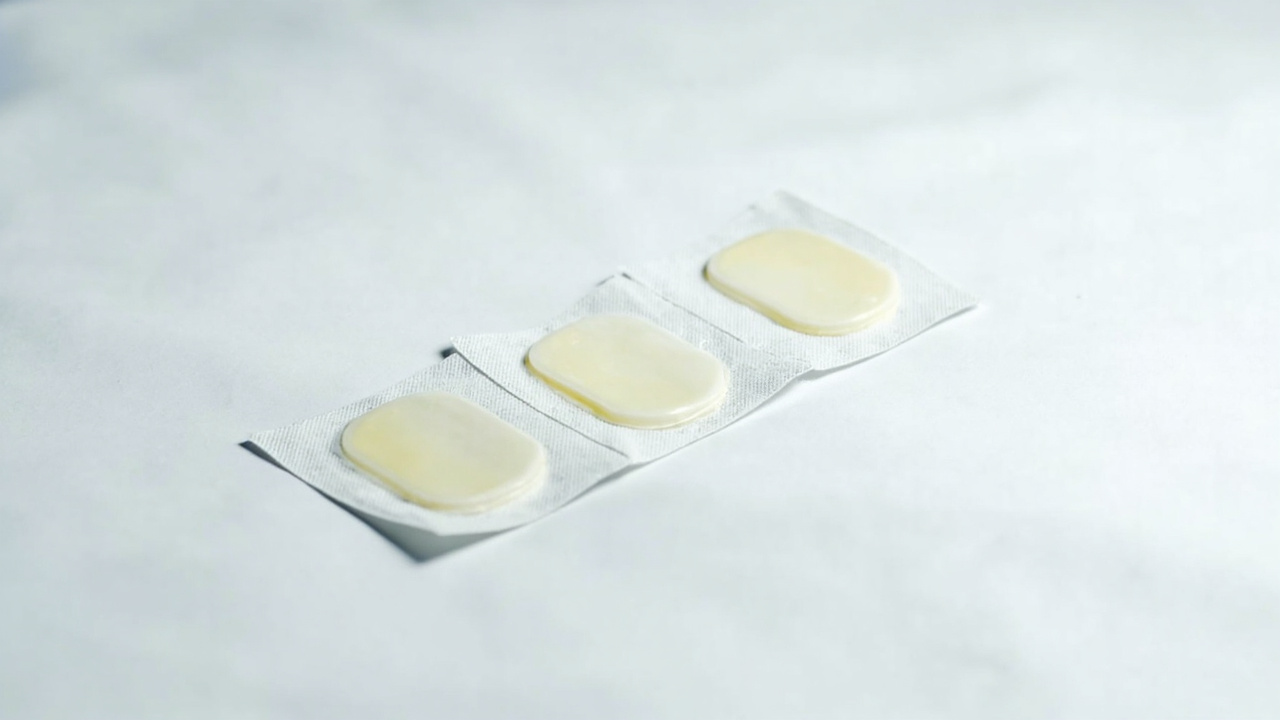
Lidocaine patch manufacturing is a precision transdermal process that transforms pharmaceutical-grade lidocaine, pressure-sensitive adhesives, and backing films into a controlled-release analgesic product. For B2B buyers sourcing private-label or OEM pain relief patches, understanding each stage of lidocaine patch production—from API qualification to finished-pouch packaging—is essential for evaluating supplier capability, predicting lead times, and protecting your brand from regulatory risk. This guide walks through the full anesthetic patch production line as practiced by experienced contract manufacturers, with the quality checkpoints that separate a compliant product from a liability.
Key Takeaways
- Stage 1: Raw Material Sourcing and Incoming Quality Control
- Stage 2: Mixing, Coating, and Drying on the Production Line
- Stage 3: Converting, Cutting, and Pouching
- Stage 4: Quality Control, Stability, and Release Testing
- Regulatory Pathways: FDA, ISO 13485, GMP, and CE
- How to Evaluate a Lidocaine Patch OEM Partner
Key Takeaways
- Lidocaine patch production hinges on three inputs: USP/EP-grade lidocaine base, a skin-compatible pressure-sensitive adhesive, and a drug-impermeable backing film—each requiring a Certificate of Analysis and incoming quarantine.
- Coating weight control is the single most important in-process variable; even small deviations in drug loading affect release rate and label-claim compliance.
- Regulatory pathways differ by market: US OTC 4% lidocaine patches fall under FDA OTC monograph 21 CFR Part 348, while EU products require CE marking under medical device rules.
- ISO 13485 and GMP certification should be verified at the site level—not just the corporate level—before placing a first order.
- A typical OEM development cycle runs 8–14 weeks from formulation lock to first commercial batch, depending on stability data requirements.
Before we descend into the line, it helps to frame the market. The global transdermal patch market was valued at roughly USD 8.0–8.5 billion in 2023, with pain relief patches representing one of the fastest-growing segments at a compound annual growth rate near 5–7% through 2030 (Grand View Research, 2023). Lidocaine patches sit squarely in that growth, driven by aging populations, opioid-sparing pain protocols, and strong consumer demand for topical analgesics. That demand has also intensified competition among contract manufacturers, making process transparency a genuine differentiator.
Stage 1: Raw Material Sourcing and Incoming Quality Control
Every lidocaine patch begins with raw materials that must be qualified before they touch a mixing vessel. The active pharmaceutical ingredient (API) is typically lidocaine base or lidocaine hydrochloride, sourced from API manufacturers operating under ICH Q7 GMP. Each lot arrives with a Certificate of Analysis documenting assay, related substances, residual solvents, and heavy metals. Incoming QC re-tests identity and assay, and quarantines material until release—a non-negotiable step under GMP and ISO 13485.
The adhesive system is equally critical. Most lidocaine patches use a polyisobutylene, acrylic, or silicone pressure-sensitive adhesive (PSA) chosen for skin tolerance, drug compatibility, and peel strength. The backing film—often polyethylene or PET laminate—must block drug migration and support printing. Release liners, typically silicone-coated PET or paper, determine how cleanly the patch separates before application. Because adhesive-API interactions can alter release kinetics, formulators run compatibility studies before locking a bill of materials.
Packaging components deserve the same scrutiny. Foil pouches with low moisture-vapor transmission protect the patch from humidity, and each pouch lot is tested for seal integrity. For buyers, the takeaway is simple: request the full raw material specification package, including supplier qualification records, before approving a manufacturer.
Stage 2: Mixing, Coating, and Drying on the Production Line
Once released, materials move to compounding. Lidocaine is dissolved or dispersed in a solvent system with the adhesive polymer and any excipients such as penetration enhancers or antioxidants. The mix is homogenized and deaerated under controlled temperature and humidity—typically 20–25°C and below 45% relative humidity—because moisture uptake during coating can cause inconsistent drug loading.
The heart of lidocaine patch production is the coating line. A knife-over-roll or slot-die coater applies the drug-adhesive matrix onto the release liner at a specified wet thickness. The coated web then passes through a multi-zone drying tunnel where solvent is evaporated under a graduated temperature profile. Coating weight and residual solvent are monitored continuously; pharmacopeial limits for residual solvents (ICH Q3C) apply, and out-of-specification web is rejected rather than reworked.
Next, the dried matrix is laminated to the backing film and wound into jumbo rolls. In-line vision systems and beta gauges check coat weight across the web width. This is where process capability matters most: a manufacturer with tight coat-weight control (typically ±3–5%) can guarantee label claims, while a loose line invites batch failures. Ask prospective suppliers for their coating tolerance data and change-control procedures.
Stage 3: Converting, Cutting, and Pouching
Jumbo rolls move to the converting stage, where rotary dies cut individual patches to the specified geometry—often 10 cm × 14 cm for a 4% lidocaine patch delivering 700 mg of lidocaine per patch. Die-cut accuracy affects both dosing area and consumer perception; ragged edges or liner damage are visible defects that trigger rejection under AQL sampling plans.
Patches are then pouched, typically one or two per foil pouch, with lot coding and expiry printed in-line. Pouch sealing is validated for seal strength and integrity, and finished pouches are cartoned and quarantined pending QC release. Throughout converting, environmental monitoring and line clearance procedures prevent mix-ups between SKUs—an especially important control when a single line runs multiple drug concentrations.
Stage 4: Quality Control, Stability, and Release Testing
Finished-product testing confirms that what was made matches what was filed. A standard release panel for lidocaine patches includes:
- Assay and uniformity of dosage units (typically 90.0–110.0% of label claim)
- Related substances and degradation products by HPLC
- Adhesion/peel strength and shear resistance testing
- Drug release rate via in vitro dissolution (USP apparatus or validated method)
- Residual solvent testing per ICH Q3C
- Microbial limits and packaging seal integrity
- Dimensions, appearance, and liner release force
Beyond release testing, stability studies under ICH conditions (25°C/60% RH and 40°C/75% RH) establish shelf life, usually 24–36 months for well-formulated patches. Accelerated data support initial labeling, while ongoing stability programs confirm the product over its commercial life. Buyers should confirm that the manufacturer maintains a stability chamber program and can supply a stability summary for the intended market.
Regulatory Pathways: FDA, ISO 13485, GMP, and CE
Regulatory strategy shapes the entire manufacturing flow. In the United States, OTC lidocaine patches at 4% concentration can follow the FDA OTC monograph for external analgesics (21 CFR Part 348), which streamlines market entry compared with a New Drug Application. Higher concentrations or novel claims may require an NDA or ANDA pathway. Either way, the manufacturing site must operate under current GMP (21 CFR Parts 210/211 for drugs) and be registered with the FDA.
In the European Union, lidocaine patches are generally regulated as medical devices under MDR (EU) 2017/745, requiring CE marking, a technical file, and conformity assessment through a notified body. ISO 13485 certification underpins the quality management system in both cases and is frequently requested by distributors and retailers as a baseline qualification. Other markets—Brazil, Japan, Southeast Asia—add their own registration requirements, so a manufacturer with multi-market experience shortens time-to-market considerably.
How to Evaluate a Lidocaine Patch OEM Partner
Choosing a contract manufacturer is a diligence exercise. The following sequence reflects how experienced buyers structure supplier qualification:
- Verify site-level certifications: request current ISO 13485, GMP, and FDA registration certificates with the manufacturing address, not just the head office.
- Request the formulation and raw material specification package, including API supplier qualification and adhesive compatibility data.
- Audit the coating line: confirm coat-weight tolerances, drying capability, and environmental controls during a site visit or virtual audit.
- Review stability and release testing data for a comparable product, including accelerated and real-time results.
- Confirm regulatory support: ask which markets the manufacturer has registered products in and whether they provide technical files or DMF support.
- Evaluate capacity and lead times: understand minimum order quantities, line scheduling, and typical production cycles.
- Check change-control and pharmacovigilance procedures, particularly for complaint handling and adverse event reporting.
Kongdy Health has manufactured transdermal patches since 1989 and serves customers in more than 120 countries, with FDA registration, ISO 13485, and GMP certifications supporting OEM and ODM programs. Buyers seeking a lidocaine patch OEM partner can review the company’s OEM/ODM services for formulation development, regulatory documentation, and private-label production.
Frequently Asked Questions
How long does it take to develop and manufacture a custom lidocaine patch?
Most OEM programs run 8–14 weeks from formulation lock to first commercial batch, depending on whether an existing formulation is adapted or a new matrix must be developed. Stability testing for regulatory submission can extend timelines by several months, since accelerated data at 40°C/75% RH typically requires three to six months. Buyers should build regulatory review time into launch plans rather than treating manufacturing as the critical path.
What certifications should a lidocaine patch manufacturer hold?
At minimum, look for ISO 13485 certification for the quality management system and GMP compliance for drug-containing products, plus FDA registration if you intend to sell in the United States. For European distribution, the manufacturer should support CE marking under MDR and provide technical file documentation. Site-specific certificates matter more than corporate-level claims, so always verify that the certificate lists the actual production facility.
How is drug loading controlled during lidocaine patch production?
Drug loading is controlled primarily through the coating weight of the drug-adhesive matrix, which is set by the coater gap or pump rate and verified in-line with beta gauges or weight sensors. The dried coat weight is then confirmed by laboratory assay on sampled web, and finished patches undergo uniformity-of-dosage testing. Manufacturers with tight process capability, typically ±3–5% coat weight, can reliably meet 90.0–110.0% label-claim specifications across the batch.
Sources
- Grand View Research – Transdermal Patches Market Report
- MarketsandMarkets – Transdermal Patch Market
- U.S. FDA – Drug Guidance and Regulatory Information
- ISO – ISO 13485:2016 Medical Devices Quality Management
Related reading
Comparing suppliers? Send us your specification.
Tell us the product, quantity and target market. You will get pricing, MOQ and lead time within 12 hours — no obligation, NDA available.
MOQ 10,000 pcs · Samples 7–10 days · Factory since 1989 · FDA · ISO 13485 · CE · GMP · 120+ countries
Send Us Your Inquiry
Tell us your requirements — we usually respond with a preliminary quotation and sampling plan within 12 hours.
1 thought on “Lidocaine Patch Manufacturing: Raw Material to Finish”
Comments are closed.