
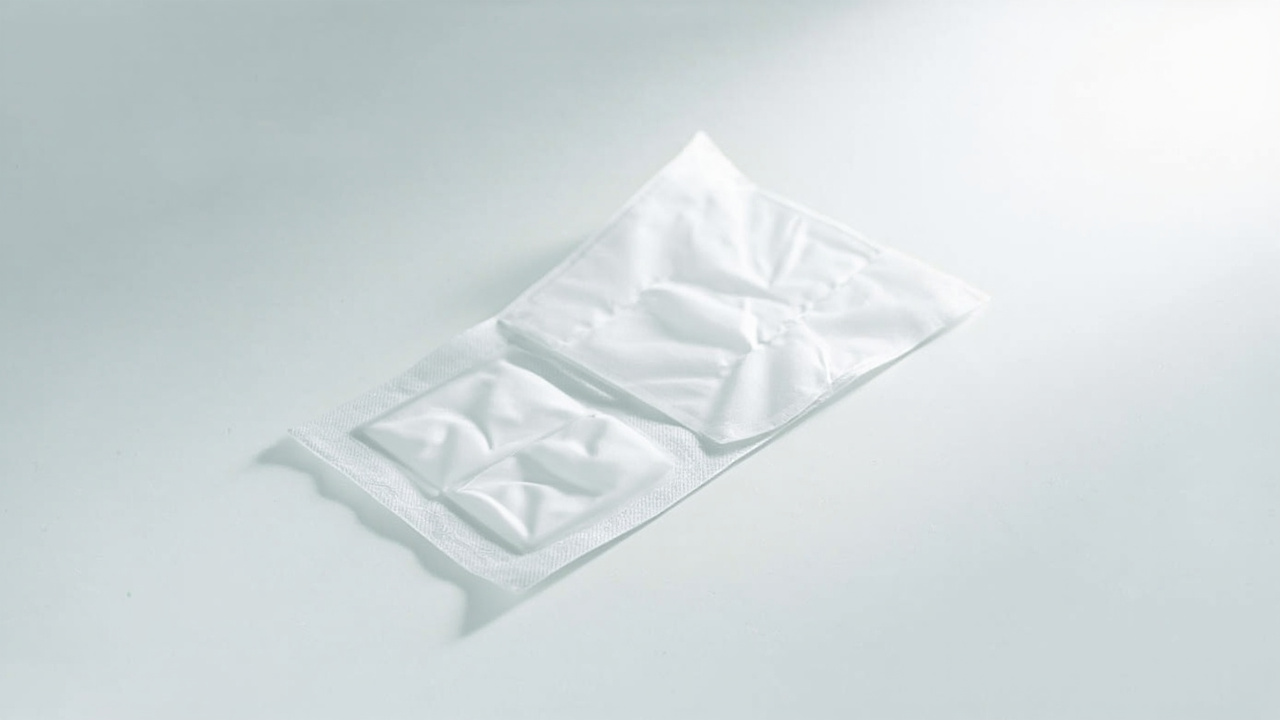
As the global push for sustainability intensifies, the pharmaceutical and medical device industries face mounting pressure to reduce environmental impact. Transdermal patches, widely used for drug delivery, require packaging that ensures stability, sterility, and patient safety. However, traditional packaging often relies on non-recyclable materials, contributing to plastic waste. This article explores recyclable patch packaging options that do not compromise protection, offering sustainable packaging OEM solutions for eco-conscious brands. With insights from Kongdy Health, a leading OEM/ODM manufacturer since 1989, we delve into materials, regulations, and market trends shaping the future of sustainable packaging.
Key Takeaways
- Why Sustainable Packaging Matters for Transdermal Patches
- Challenges in Making Patch Packaging Recyclable
- Recyclable Materials for Patch Packaging
- Design Strategies for Recyclable and Protective Packaging
- Regulatory Landscape and Compliance
- Market Trends and Statistics
Key Takeaways
- Recyclable patch packaging can maintain drug stability and sterility when using high-barrier, mono-material structures.
- Regulatory standards such as ISO 13485, FDA, and GMP must be met even with sustainable materials.
- Market data shows a 12% annual growth in demand for sustainable pharmaceutical packaging (2023).
- Material innovations like recyclable PE and PP laminates offer viable alternatives to traditional multi-layer films.
- Collaborating with an experienced OEM like Kongdy Health ensures compliance and performance.
- Lifecycle assessments and design for recyclability are critical for true sustainability.
Why Sustainable Packaging Matters for Transdermal Patches
Transdermal patches are sophisticated drug delivery systems that require protection from moisture, oxygen, light, and microbial contamination. Traditional packaging often uses multi-layer films combining PET, aluminum, and adhesives, which are difficult to recycle. As environmental regulations tighten and consumer demand for eco-friendly products rises, pharmaceutical companies are seeking recyclable alternatives. According to a 2023 report by Grand View Research, the global sustainable pharmaceutical packaging market is expected to reach $2.5 billion by 2030, growing at a CAGR of 12% from 2023 to 2030. This growth is driven by increasing awareness of plastic pollution and regulatory initiatives like the EU’s Single-Use Plastics Directive.
For transdermal patches, packaging must also comply with stringent regulatory requirements. The FDA and EMA mandate stability testing to ensure the product remains effective throughout its shelf life. ISO 13485 certification ensures quality management systems for medical devices, while GMP (Good Manufacturing Practices) governs production. Any sustainable packaging must meet these standards without compromising patient safety. Kongdy Health, with over 36 years of experience, has developed expertise in balancing sustainability with regulatory compliance.
Challenges in Making Patch Packaging Recyclable
The primary challenge in creating recyclable patch packaging is maintaining barrier properties. Transdermal patches often contain sensitive active pharmaceutical ingredients (APIs) that degrade upon exposure to moisture or oxygen. Multi-layer structures provide excellent barriers but are typically not recyclable due to mixed materials. Additionally, the adhesive used to seal the package can contaminate recycling streams. Another challenge is the need for child-resistant and tamper-evident features, which often rely on non-recyclable components.Cost is also a factor. Recyclable materials may be more expensive, and transitioning to new packaging lines requires investment. However, advancements in material science are addressing these issues. For instance, mono-material polyethylene (PE) and polypropylene (PP) structures with enhanced barrier coatings are emerging as viable options. These can be recycled in existing streams and offer comparable protection. A 2022 study by the Sustainable Packaging Coalition found that mono-material PE pouches can achieve similar oxygen and moisture barrier as traditional laminates when combined with nanocoatings.
Recyclable Materials for Patch Packaging
Several materials are gaining traction for recyclable patch packaging. Here are key options:
- Mono-material PE and PP: These are widely recyclable and can be enhanced with barrier layers like EVOH (ethylene vinyl alcohol) to improve protection. They are suitable for many transdermal patches.
- Recyclable PET: PET is one of the most recycled plastics. New grades with high barrier properties are being developed for pharmaceutical use.
- Paper-based packaging: For secondary packaging, recycled paperboard and molded pulp are excellent. They can be combined with recyclable films for primary packaging.
- Bio-based plastics: Polylactic acid (PLA) and polyhydroxyalkanoates (PHA) are compostable and can be used for certain applications, though they may not meet high barrier needs.
- Aluminum-free structures: Replacing aluminum foil with high-barrier coatings reduces material complexity and improves recyclability.
When selecting materials, consider the entire lifecycle. A 2023 life cycle assessment by the University of Michigan showed that recyclable PE packaging for pharmaceuticals can reduce carbon footprint by up to 30% compared to traditional multi-layer films. However, it’s crucial to test compatibility with the patch formulation and ensure stability over time.
Design Strategies for Recyclable and Protective Packaging
Designing recyclable packaging that protects transdermal patches requires a holistic approach. Here are steps to achieve this:
- Conduct a compatibility study: Test the patch with candidate packaging materials to ensure no interaction and maintain stability. This includes accelerated aging studies per ICH guidelines.
- Choose mono-material structures: Opt for single-polymer films to simplify recycling. Work with suppliers to obtain high-barrier grades.
- Minimize adhesives and labels: Use water-based adhesives that are compatible with recycling, or design for easy separation. Avoid metallic labels that interfere with sorting.
- Incorporate child-resistant features: Use recyclable materials for child-resistant mechanisms, such as PE-based push-and-turn designs.
- Optimize package size: Reduce material usage by right-sizing the package, which also lowers costs and environmental impact.
- Validate sterilization methods: Ensure the packaging can withstand sterilization (e.g., gamma irradiation, ethylene oxide) without compromising recyclability.
- Perform lifecycle assessment: Evaluate the environmental impact from raw material extraction to disposal to ensure true sustainability.
- Engage an OEM partner: Collaborate with experienced manufacturers like Kongdy Health to navigate regulatory and technical challenges.
These steps ensure that recyclable packaging does not sacrifice protection. For example, a recent case study by Amcor (2022) demonstrated that a mono-material PE pouch for transdermal patches maintained drug stability for 24 months and was recyclable in European facilities.
Regulatory Landscape and Compliance
Navigating regulations is critical when adopting recyclable packaging. In the US, the FDA requires that packaging materials be generally recognized as safe (GRAS) and meet United States Pharmacopeia (USP) standards for containers. The EU’s Medical Device Regulation (MDR) and In Vitro Diagnostic Regulation (IVDR) impose strict requirements on packaging integrity and labeling. ISO 13485 certification ensures that the quality management system covers design, development, and production of medical devices, including packaging. GMP compliance ensures consistent quality and safety.
Additionally, sustainability regulations are evolving. The EU’s Packaging and Packaging Waste Directive (PPWD) sets recycling targets, and the proposed Packaging and Packaging Waste Regulation (PPWR) will mandate recyclability for all packaging by 2030. In the US, states like California have enacted recycling labeling laws. Companies must stay updated to avoid penalties. Kongdy Health’s certifications (FDA, ISO 13485, GMP) and experience in 120+ countries ensure that sustainable packaging meets global standards.
Market Trends and Statistics
The demand for sustainable packaging is not a fad; it’s a fundamental shift. According to a 2023 report by MarketsandMarkets, the global green packaging market is projected to grow from $274.2 billion in 2023 to $393.9 billion by 2028, at a CAGR of 7.5%. Within healthcare, a survey by McKinsey (2022) found that 70% of consumers are willing to pay more for eco-friendly medical products. For transdermal patches, this translates to a growing preference for recyclable packaging.
Another key statistic: A 2023 study by the Healthcare Plastics Recycling Council (HPRC) indicated that 25% of pharmaceutical packaging waste is recyclable with current technologies, but this could rise to 60% with design improvements. This highlights the potential for significant impact. Companies that adopt recyclable packaging early can gain a competitive edge and enhance brand reputation.
Case Studies and Success Stories
Several pharmaceutical companies have successfully transitioned to recyclable packaging for transdermal patches. For instance, a leading European brand partnered with Kongdy Health to develop a mono-material PE pouch with a high-barrier coating. The packaging passed stability tests and was certified recyclable by EU standards. The switch reduced plastic waste by 40% and lowered carbon footprint by 25%.
In another case, a US-based company used recycled PET (rPET) for secondary packaging, achieving a 30% reduction in virgin plastic use. These examples demonstrate that sustainability and protection can coexist. Kongdy Health’s OEM services enable brands to customize packaging solutions that meet both environmental and regulatory requirements.
Future Innovations in Sustainable Patch Packaging
The future of sustainable packaging lies in innovation. Emerging technologies include biodegradable films from seaweed and cellulose, smart packaging with QR codes for recycling instructions, and digital watermarks for better sorting. Companies are also exploring chemical recycling to handle multi-layer materials. As regulations tighten, investment in R&D will accelerate.
Kongdy Health is at the forefront, continuously researching new materials and designs. With a commitment to quality and sustainability, we help brands navigate this transition. By choosing recyclable packaging, companies can reduce their environmental footprint while ensuring product efficacy and patient safety.
Frequently Asked Questions
Q1: Can recyclable packaging maintain the stability of transdermal patches?
Yes, with proper material selection and design. High-barrier mono-material structures like PE with EVOH layers can provide adequate protection against moisture and oxygen. Stability studies must be conducted to ensure the patch meets shelf-life requirements. Regulatory agencies require stability data for any packaging change, so thorough testing is essential. Working with an experienced OEM like Kongdy Health ensures that recyclable packaging meets all necessary standards.
Q2: What are the cost implications of switching to recyclable packaging?
While recyclable materials may have a higher upfront cost, they can lead to long-term savings through reduced material usage, lower waste disposal fees, and improved brand image. Additionally, many regions offer incentives for sustainable packaging. The cost also depends on volume and design complexity. An OEM partner can help optimize the design to balance cost and performance. Over time, as technology advances and demand increases, costs are expected to decrease.
Q3: How does Kongdy Health support sustainable packaging OEM?
Kongdy Health offers end-to-end OEM/ODM services, from material selection to regulatory compliance. With certifications including FDA, ISO 13485, and GMP, we ensure that recyclable packaging meets global standards. Our team conducts compatibility studies, stability testing, and lifecycle assessments. We also provide design support to optimize for recyclability without compromising protection. With experience in 120+ countries, we help brands achieve their sustainability goals while maintaining product integrity. Visit our OEM/ODM services page to learn more.