
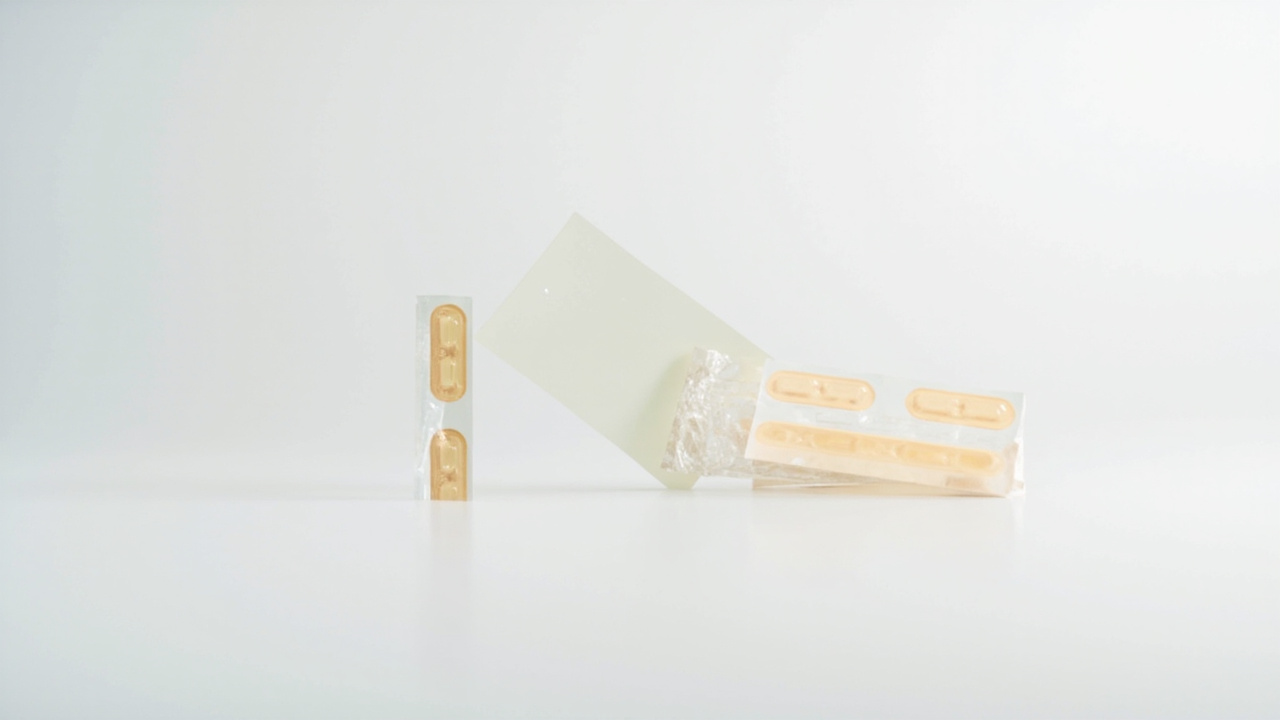
When you’re sourcing transdermal patches, adhesion is not just a performance metric—it’s a critical quality attribute that directly impacts patient safety, product efficacy, and your brand’s reputation. Patch adhesion testing encompasses three fundamental mechanical properties: peel strength, tack, and shear. Understanding these tests is essential for any B2B buyer evaluating transdermal patch manufacturers. As an OEM partner with over three decades of experience, Kongdy Health has helped 120+ clients across the globe navigate these technical nuances. This guide breaks down the science, standards, and practical considerations for each test, so you can make informed decisions and ensure your final product meets regulatory and user expectations.
Key Takeaways
- Why Patch Adhesion Testing Matters for B2B Buyers
- Peel Strength Testing: Measuring the Force to Remove a Patch
- Tack Test: Assessing Initial Adhesion
- Shear Strength Testing: Resistance to Creep and Sliding
- Key Standards and Regulatory Requirements for Adhesion Testing
- How to Evaluate a Manufacturer’s Adhesion Testing Capabilities: A Buyer’s Checklist
Key Takeaways
- Peel, tack, and shear are the three pillars of patch adhesion testing, each simulating different forces a patch experiences during wear.
- International standards such as ASTM D3330, ASTM D2979, and ISO 29862 provide standardized methods for reproducible results.
- Adhesion performance is influenced by adhesive type, backing film, drug formulation, and environmental conditions.
- Regulatory bodies like the FDA and EU MDR require adhesion testing data as part of the technical file for market approval.
- Partnering with an ISO 13485-certified manufacturer ensures your patches are tested consistently and comply with global pharmacopeial requirements.
- Kongdy Health offers comprehensive OEM/ODM services, including custom adhesion testing protocols tailored to your product and market.
Why Patch Adhesion Testing Matters for B2B Buyers
Adhesion failure can lead to dose dumping, reduced therapeutic effect, or skin irritation—any of which can trigger recalls, regulatory action, and lost revenue. For example, a 2022 study published in the Journal of Pharmaceutical Sciences found that approximately 15% of transdermal patch recalls in the previous decade were related to adhesion deficiencies. Furthermore, the global transdermal patch market is projected to reach $8.7 billion by 2027, growing at a CAGR of 6.5% (Grand View Research, 2020). With such stakes, buyers must demand rigorous adhesion testing from their manufacturing partners.
Adhesion testing is not a one-size-fits-all endeavor. The specific test methods and acceptance criteria depend on the patch’s intended use, the adhesive chemistry, and the regulatory pathway. For instance, a pain relief patch designed for 12-hour wear may have different requirements than a hormone replacement patch worn for 7 days. As a buyer, you need to understand these variables to specify the right tests and interpret results correctly.
Moreover, adhesion testing is a key component of design verification and validation under ISO 13485 and FDA 21 CFR Part 820. Without robust adhesion data, your technical file will be incomplete, delaying market access. Therefore, choosing a manufacturer with proven expertise in adhesion testing is not just a technical decision—it’s a strategic one.
Peel Strength Testing: Measuring the Force to Remove a Patch
Peel strength, often referred to as peel adhesion, quantifies the force required to remove a patch from a standard test surface at a specified angle and speed. This test simulates the everyday removal of a patch from the skin, although it uses a stainless steel or other standardized substrate rather than actual skin. The most common method is the 180-degree peel test, detailed in ASTM D3330 and ISO 29862. In this test, a strip of the patch is applied to a test panel, and a tensile tester peels it back at a constant rate, typically 300 mm/min. The force is recorded in Newtons per centimeter (N/cm) or ounces per inch (oz/in).
Peel strength values can vary widely based on the adhesive type. For example, acrylic adhesives often exhibit peel strengths between 0.5 and 2.0 N/cm, while silicone adhesives may range from 0.2 to 1.0 N/cm. Rubber-based adhesives can be higher, up to 3.0 N/cm. However, higher peel strength is not always better—it must be balanced with comfort and skin-friendliness. A patch that is too aggressive can cause skin stripping upon removal, leading to irritation and poor patient compliance.
When evaluating peel strength data from a supplier, consider the test conditions: dwell time (how long the patch sits on the panel before peeling), temperature, humidity, and peel angle. These factors can significantly affect results. For instance, a patch tested after 24 hours of dwell time may show higher peel strength than one tested immediately, due to adhesive flow and wetting. Additionally, peel strength often decreases at higher temperatures as the adhesive softens. Therefore, ask for test reports that mimic real-world conditions as closely as possible.
Regulatory submissions for transdermal patches typically require peel strength data on at least three batches, with acceptance criteria based on pharmacopeial monographs (e.g., USP <3> for topical patches). The FDA’s guidance on transdermal systems emphasizes the need for adhesion testing throughout shelf life, so accelerated and real-time stability studies should include peel strength evaluations.
Tack Test: Assessing Initial Adhesion
Tack, also known as tackiness or initial adhesion, measures the adhesive’s ability to bond quickly to the skin with minimal pressure. It’s the property that makes a patch stick immediately upon application, preventing it from sliding or falling off before the adhesive fully sets. Tack is particularly important for patches applied to areas with movement, such as the lower back or joints.
Several methods exist for tack testing, but the most widely used for transdermal patches is the probe tack test (ASTM D2979) and the rolling ball tack test (ASTM D3121). In the probe tack test, a cylindrical probe with a defined contact area is brought into contact with the adhesive at a controlled pressure and speed, then withdrawn. The force required to separate the probe is recorded as tack. In the rolling ball test, a steel ball rolls down an inclined plane onto the adhesive; the distance the ball travels before stopping indicates tack—shorter distance means higher tack.
Tack values are typically lower than peel strength, often in the range of 0.1 to 0.5 N for probe tack. However, these values are highly dependent on the adhesive formulation and test parameters. For example, a study in the International Journal of Adhesion and Adhesives (2019) showed that adding tackifiers to acrylic adhesives can increase probe tack by up to 40%, but may also reduce shear strength. This trade-off highlights the need for a balanced adhesive design.
From a buyer’s perspective, tack data helps predict how well a patch will perform in real-world application. A patch with low tack may require additional pressure to adhere, leading to user frustration and potential waste. Conversely, very high tack can make application difficult and removal painful. Therefore, specifying a tack range based on your target user’s needs is crucial. For instance, pediatric patches may require lower tack to minimize discomfort during removal, while sports patches may need higher tack to withstand sweat and movement.
Shear Strength Testing: Resistance to Creep and Sliding
Shear strength measures the adhesive’s ability to resist forces that cause it to slide or creep along the skin. Unlike peel and tack, which are about bonding and debonding, shear focuses on holding power under constant load. This is critical for patches that must remain in place for extended periods, especially on areas subject to friction or stretching. The standard test method is ASTM D3654, which involves applying a known weight to a patch adhered to a vertical panel and measuring the time until it falls or slides a specified distance.
Shear strength is often expressed in minutes or hours, with higher values indicating better resistance to creep. For transdermal patches, shear strength can range from a few minutes to several days, depending on the adhesive and crosslinking density. For example, a lightly crosslinked silicone adhesive may have a shear time of 20 minutes, while a highly crosslinked acrylic could exceed 10,000 minutes. However, excessively high shear strength can make the patch feel stiff and uncomfortable, and may cause skin irritation due to constant tension.
In the context of transdermal drug delivery, shear strength also affects drug release kinetics. If the adhesive creeps, the patch may not maintain intimate contact with the skin, leading to inconsistent absorption. Therefore, shear testing is often conducted at body temperature (32°C) and at elevated temperatures (e.g., 40°C) to simulate fever or hot climates. Data from a 2021 industry report indicated that shear failure accounts for about 10% of patch adhesion complaints, underscoring its importance.
When reviewing shear data, consider the test duration and load. A patch that holds for 24 hours under a 500g load is generally considered excellent for long-wear applications. However, for short-wear patches, moderate shear may be acceptable. Your manufacturer should provide shear data along with peel and tack to give a complete adhesion profile.
Key Standards and Regulatory Requirements for Adhesion Testing
Adhesion testing for transdermal patches is governed by a combination of international standards and regional regulations. The most relevant standards include:
- ASTM D3330: Standard Test Method for Peel Adhesion of Pressure-Sensitive Tape.
- ASTM D2979: Standard Test Method for Pressure-Sensitive Tack of Adhesives Using an Inverted Probe Machine.
- ASTM D3654: Standard Test Methods for Shear Adhesion of Pressure-Sensitive Tapes.
- ISO 29862: Self-adhesive tapes — Determination of peel adhesion properties.
- ISO 13485: Medical devices — Quality management systems — Requirements for regulatory purposes.
- USP <3>: Topical and Transdermal Drug Products—Product Quality Tests.
- ICH Q8, Q9, Q10: Pharmaceutical development, risk management, and quality systems.
In the United States, the FDA requires adhesion testing as part of the Chemistry, Manufacturing, and Controls (CMC) section of an ANDA or NDA for transdermal systems. The agency’s guidance document “Transdermal and Topical Delivery Systems – Product Development and Quality Considerations” (2019) outlines expectations for adhesion testing, including the need for validated methods and stability-indicating data. In Europe, the EU Medical Device Regulation (MDR 2017/745) and the European Pharmacopoeia (Ph. Eur.) provide similar requirements, often referencing ISO standards.
For manufacturers, compliance with these standards is non-negotiable. At Kongdy Health, we maintain ISO 13485 certification, FDA registration, and GMP compliance, ensuring that every patch we produce undergoes rigorous adhesion testing according to the latest pharmacopeial and industry standards. This commitment to quality gives our B2B clients confidence that their products will meet regulatory scrutiny and perform reliably in the field.
How to Evaluate a Manufacturer’s Adhesion Testing Capabilities: A Buyer’s Checklist
Not all transdermal patch manufacturers are created equal. When vetting potential partners, use the following numbered checklist to assess their adhesion testing capabilities:
- Ask for test method validation: Ensure they have validated test methods for peel, tack, and shear according to ASTM or ISO standards. Request validation reports and equipment calibration records.
- Review their testing equipment: They should have calibrated tensile testers, probe tack testers, and shear test stands. Ideally, they use environmental chambers to control temperature and humidity during testing.
- Examine their sample preparation procedures: Proper sample conditioning (e.g., 24 hours at 23°C and 50% RH) is critical for reproducible results. Ask about their conditioning protocols.
- Check their experience with your patch type: Different adhesives and backings require tailored testing. A manufacturer with experience in pain relief patches may not be familiar with the nuances of hormone patches.
- Request historical data: Ask for typical adhesion values for similar products they’ve manufactured. This helps set realistic acceptance criteria for your product.
- Evaluate their stability testing program: Adhesion can change over time. Ensure they perform accelerated and real-time stability studies that include adhesion testing at each time point.
- Confirm regulatory compliance: Verify their certifications (ISO 13485, FDA, GMP) and their familiarity with the regulatory requirements in your target markets.
- Discuss customization options: Can they modify the adhesive formulation or backing to achieve your desired adhesion profile? A flexible OEM partner will work with you to optimize performance.
By systematically evaluating these factors, you can select a manufacturer who not only meets your specifications but also becomes a strategic partner in your product development.
Common Pitfalls in Adhesion Testing and How to Avoid Them
Even with standardized methods, adhesion testing can go wrong. Here are some common pitfalls and tips to avoid them:
- Inconsistent sample preparation: Variations in adhesive coating weight, backing thickness, or cutting technique can skew results. Ensure strict adherence to SOPs.
- Ignoring environmental conditions: Temperature and humidity during testing can dramatically affect adhesion. Always test under controlled conditions and report them.
- Using the wrong substrate: Stainless steel is standard, but some products may require testing on skin mimics (e.g., Vitro-Skin®) for better correlation. Discuss with your manufacturer.
- Overlooking aging effects: Adhesion properties change over time. Include stability samples in your testing plan.
- Misinterpreting results: A single high peel value doesn’t guarantee good performance. Look at the full adhesion profile (peel, tack, shear) and consider the intended use.
- Neglecting regulatory requirements: Different markets have different acceptance criteria. Ensure your testing aligns with the target market’s pharmacopeia and guidance.
By being aware of these pitfalls, you can work with your manufacturer to establish robust testing protocols that yield reliable, actionable data.
Frequently Asked Questions
What is the difference between peel strength and tack in patch adhesion testing?
Peel strength measures the force required to remove a patch from a surface after it has been fully bonded, simulating the removal process. Tack, on the other hand, measures the adhesive’s ability to bond quickly with minimal pressure, simulating initial application. Both are important: tack ensures the patch sticks immediately, while peel strength determines how well it stays on and how easily it can be removed. A patch with high tack but low peel strength may stick initially but fail during wear, whereas high peel strength with low tack may be difficult to apply. Therefore, a balance is needed based on the intended use.
How do regulatory agencies like the FDA evaluate patch adhesion data?
The FDA evaluates adhesion data as part of the CMC section in an ANDA or NDA. They expect validated test methods, data from multiple batches, and stability studies that demonstrate adhesion is maintained throughout shelf life. The agency’s 2019 guidance on transdermal systems outlines specific recommendations, including the use of USP <3> monographs. Additionally, the FDA may request in vitro skin permeation studies that correlate with adhesion performance. Failure to provide adequate adhesion data can result in a Complete Response Letter, delaying approval. Therefore, it’s crucial to work with a manufacturer experienced in FDA submissions.
Can adhesion testing be customized for different patch types, such as pain relief versus hormone patches?
Yes, adhesion testing should be customized based on the patch’s intended use, wear time, and adhesive chemistry. For example, pain relief patches often require higher tack and shear to withstand movement, while hormone patches may need lower peel strength to minimize skin irritation over extended wear. The test parameters—such as dwell time, peel angle, and temperature—can be adjusted to mimic real-world conditions. Additionally, different acceptance criteria may apply. A reputable OEM manufacturer like Kongdy Health will work with you to develop a testing protocol that aligns with your product’s specific requirements and regulatory pathway.
Conclusion: Partner with Kongdy Health for Reliable Adhesion Testing
Patch adhesion testing is a complex but essential aspect of transdermal product development. By understanding peel, tack, and shear, you can specify the right tests, interpret data accurately, and ensure your final product meets both regulatory standards and patient needs. As you evaluate potential manufacturing partners, prioritize those with proven expertise in adhesion testing and a commitment to quality. With over 30 years of experience, Kongdy Health offers comprehensive OEM/ODM services, including custom adhesion testing protocols, to help you bring a successful transdermal patch to market. Contact Kongdy Health today to discuss your project and learn how we can support your adhesion testing needs.
Sources
- Grand View Research – Transdermal Patch Market Size Report
- FDA Guidance on Transdermal and Topical Delivery Systems
- ISO 13485:2016 – Medical devices — Quality management systems
- ASTM International – Adhesion Standards