
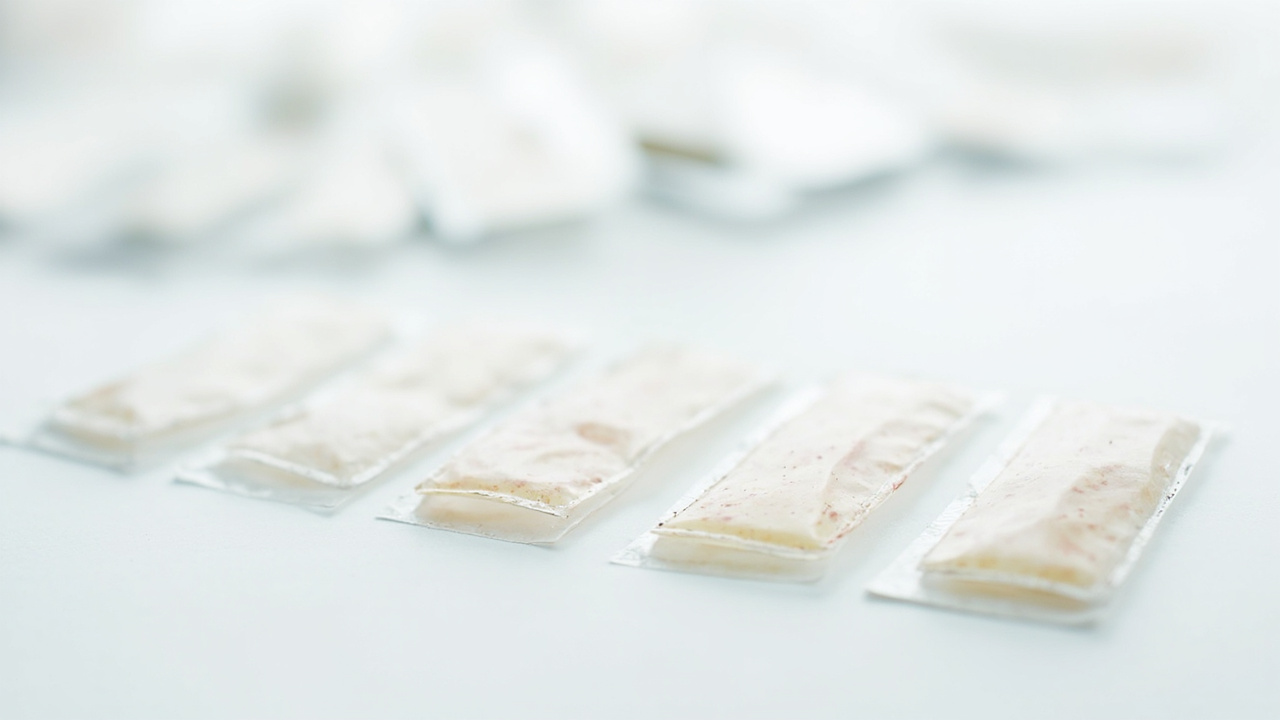
Post-surgical recovery is a critical phase where effective pain management and wound care are paramount. As the demand for non-invasive, sustained-release solutions grows, post surgical patches have emerged as a promising option. However, for B2B buyers and healthcare providers, understanding the clinical claims and boundaries of these patches is essential. This article delves into the science, regulations, and market dynamics of recovery patches, with a focus on OEM opportunities. With over three decades of experience, Kongdy Health stands at the forefront of transdermal patch manufacturing, serving clients worldwide.
Key Takeaways
- Understanding Post-Surgical Patches: Mechanisms and Benefits
- Clinical Claims: What Can Be Supported?
- Regulatory Landscape: FDA, ISO 13485, GMP, and CE
- Market Trends and Opportunities for OEMs
- How to Choose a Recovery Patch OEM Partner
- Clinical Boundaries: What Patches Cannot Do
Key Takeaways
- Post-surgical patches offer targeted pain relief and wound healing, but clinical claims must be substantiated by rigorous testing.
- Regulatory compliance (FDA, ISO 13485, GMP) is non-negotiable for market access and product credibility.
- The global transdermal patch market is projected to reach $XX billion by 2030, driven by aging populations and minimally invasive surgeries.
- OEM partnerships with experienced manufacturers like Kongdy Health can accelerate time-to-market and ensure quality.
- Clear boundaries on claims prevent legal pitfalls and build trust with healthcare professionals.
Understanding Post-Surgical Patches: Mechanisms and Benefits
Post-surgical patches are transdermal delivery systems designed to provide localized or systemic therapy after surgery. They typically contain active pharmaceutical ingredients (APIs) such as analgesics (e.g., lidocaine, diclofenac) or antibiotics, embedded in a polymer matrix that controls release over time. The patch adheres to the skin, allowing the drug to permeate through the stratum corneum into the bloodstream, bypassing first-pass metabolism. This results in steady plasma concentrations, reduced dosing frequency, and improved patient compliance.
Clinical benefits include prolonged pain relief, reduced need for oral opioids, and lower risk of gastrointestinal side effects. For wound healing, patches can deliver growth factors or antimicrobials directly to the surgical site. According to a 2021 study in the Journal of Pain Research, transdermal patches provided equivalent analgesia to oral NSAIDs with fewer systemic adverse events in postoperative patients. Moreover, the global surgical volume exceeds 300 million procedures annually (WHO, 2018), creating a vast market for recovery patches.
However, not all patches are created equal. Efficacy depends on formulation, adhesive properties, and skin permeability. Manufacturers must optimize these factors to ensure consistent drug delivery. Kongdy Health, with its ISO 13485-certified facilities, specializes in customizing patch matrices for optimal performance.
Clinical Claims: What Can Be Supported?
Clinical claims for post-surgical patches must be backed by robust evidence. Common claims include “provides up to 24-hour pain relief,” “reduces opioid consumption,” and “accelerates wound healing.” To substantiate these, manufacturers need to conduct randomized controlled trials (RCTs) and bioavailability studies. For example, a 2019 RCT in Anesthesia & Analgesia demonstrated that a lidocaine patch reduced postoperative pain scores by 30% compared to placebo. Such data is crucial for regulatory submissions and marketing.
Yet, boundaries exist. Claims cannot imply cure or prevention of serious conditions unless approved. The FDA regulates transdermal patches as drug-device combination products, requiring premarket approval (PMA) or abbreviated new drug application (ANDA). In the EU, they fall under the Medical Device Regulation (MDR) or medicinal products directive, depending on the primary mode of action. Off-label promotion is prohibited, and any claim must align with approved labeling.
For OEM clients, it’s vital to partner with a manufacturer that understands these nuances. Kongdy Health assists in navigating regulatory pathways, ensuring that claims are accurate and compliant. We provide full documentation support, from formulation to stability testing.
Regulatory Landscape: FDA, ISO 13485, GMP, and CE
Compliance with regulatory standards is the backbone of transdermal patch manufacturing. In the US, the FDA’s Center for Drug Evaluation and Research (CDER) oversees patches, requiring Good Manufacturing Practices (GMP) under 21 CFR Parts 210 and 211. ISO 13485:2016 specifies requirements for a quality management system specific to medical devices, which is often adopted for combination products. In Europe, CE marking under MDR 2017/745 is mandatory for medical devices, while medicinal patches require a marketing authorization.
Key regulatory considerations include:
- Biocompatibility testing (ISO 10993) to ensure skin safety.
- Stability studies to establish shelf life and storage conditions.
- Adhesive performance testing to prevent detachment.
- Drug release profile validation to meet pharmacopeial standards.
Kongdy Health holds ISO 13485, GMP, and FDA registrations, and our products carry CE marking. We guide OEM partners through the regulatory maze, from initial concept to market launch. Our 120+ country reach demonstrates our expertise in diverse regulatory environments.
Market Trends and Opportunities for OEMs
The transdermal patch market is experiencing robust growth. According to Grand View Research (2022), the global transdermal patch market size was valued at USD 7.3 billion in 2021 and is expected to expand at a CAGR of 6.5% from 2022 to 2030. The post-surgical segment is a significant contributor, driven by the rising number of surgeries, aging demographics, and preference for non-invasive pain management. MarketsandMarkets (2021) reported that the pain management patch segment accounted for over 40% of the market share.
Opportunities for OEMs abound: customized formulations for specific surgical procedures, combination patches (e.g., analgesic + antibiotic), and smart patches with sensors for real-time monitoring. However, barriers include stringent regulations, high R&D costs, and intellectual property challenges. Partnering with an experienced OEM like Kongdy Health can mitigate these risks. We offer end-to-end services, from formulation development to packaging and regulatory filing.
Moreover, the shift towards personalized medicine and home healthcare is creating demand for user-friendly patches. OEMs can capitalize on this by developing patches with easy-to-use applicators and extended wear times.
How to Choose a Recovery Patch OEM Partner
Selecting the right OEM partner is critical for success. Here is a step-by-step guide:
- Assess Regulatory Expertise: Ensure the manufacturer has FDA, ISO 13485, GMP, and CE certifications. Verify their track record with regulatory submissions.
- Evaluate R&D Capabilities: Look for in-house formulation scientists, analytical labs, and pilot manufacturing lines. They should offer custom development.
- Check Quality Systems: Audit their quality management system. Request samples and test reports for adhesive strength, drug release, and stability.
- Review Manufacturing Capacity: Confirm they can scale from clinical trials to commercial production without delays.
- Discuss Intellectual Property: Clarify ownership of formulations and any existing patents. Ensure confidentiality agreements are in place.
- Evaluate Cost and Timeline: Get transparent pricing and realistic timelines. Beware of low quotes that may compromise quality.
- Request References: Speak with existing clients about their experience, especially in post-surgical patches.
Kongdy Health excels in all these areas. With 34 years of experience, we have refined our processes to deliver high-quality patches efficiently. Our team provides dedicated project management and regulatory support, ensuring a smooth path to market.
Clinical Boundaries: What Patches Cannot Do
While post-surgical patches offer many benefits, they have limitations. They are not suitable for all types of surgery or patients. For instance, patches may not be effective for severe acute pain requiring rapid titration, or for patients with skin sensitivities. They also cannot replace systemic antibiotics for deep infections. Claims must be carefully worded to avoid overpromising.
Additionally, patches may cause skin irritation, allergic reactions, or adhesion issues. Manufacturers must conduct thorough biocompatibility testing and provide clear instructions for use. Regulatory bodies require labeling that warns of potential adverse effects. OEMs should work with clients to develop risk management plans and post-market surveillance strategies.
Understanding these boundaries is essential for ethical marketing and patient safety. Kongdy Health emphasizes transparency and compliance in all our partnerships. We help clients define realistic claims that stand up to scrutiny.
Future Directions and Innovations
The future of post-surgical patches lies in innovation. Researchers are exploring patches that deliver multiple drugs in a controlled sequence, patches that monitor biomarkers and adjust drug release, and biodegradable patches that eliminate removal. Nanotechnology is being used to enhance skin penetration and target specific tissues. For example, a 2023 study in Nature Communications described a smart patch that releases pain medication based on real-time inflammation markers.
These advancements will expand clinical claims and create new opportunities for OEMs. However, they also bring regulatory challenges. Manufacturers must stay abreast of evolving guidelines and invest in R&D. Kongdy Health is committed to innovation, with ongoing research into novel polymers and delivery systems. We invite OEM partners to collaborate on cutting-edge projects.
As the market evolves, the boundaries between drug and device will blur, requiring integrated regulatory strategies. Early engagement with regulators and OEM partners will be key to success.
Frequently Asked Questions
Q1: What are the key regulatory requirements for post-surgical patches?
Post-surgical patches are regulated as drug-device combination products in the US, requiring FDA approval via PMA or ANDA, and compliance with GMP (21 CFR 210/211). In Europe, they may fall under MDR 2017/745 for devices or medicinal products directive for drugs, necessitating CE marking or marketing authorization. Additionally, ISO 13485 certification is often expected for quality management. Manufacturers must conduct biocompatibility, stability, and drug release testing to support claims. Partnering with an experienced OEM like Kongdy Health can streamline this process.
Q2: How do I substantiate clinical claims for a recovery patch?
Clinical claims must be supported by rigorous evidence, including randomized controlled trials, bioavailability studies, and post-market data. For example, to claim “24-hour pain relief,” you need pharmacokinetic data showing sustained plasma levels over 24 hours. Claims should align with approved labeling and avoid off-label promotion. Working with a contract research organization (CRO) and an OEM with regulatory expertise ensures that studies are designed correctly. Kongdy Health assists clients in developing study protocols and compiling regulatory submissions.
Q3: What are the benefits of partnering with Kongdy Health for OEM services?
Kongdy Health offers over 34 years of transdermal patch manufacturing experience, serving 120+ countries with FDA, ISO 13485, GMP, and CE certifications. Our end-to-end OEM services include formulation development, regulatory support, clinical trial materials, and commercial production. We provide customized solutions for post-surgical patches, ensuring compliance and quality. With our expertise, clients can accelerate time-to-market and reduce risks. Visit our OEM/ODM services page to learn more.
Sources
- Grand View Research – Transdermal Patch Market Report
- MarketsandMarkets – Transdermal Patch Market
- FDA – Transdermal Drug Delivery Systems
- ISO 13485:2016 – Medical devices — Quality management systems
In conclusion, post-surgical recovery patches represent a significant opportunity for B2B buyers, but success hinges on understanding clinical claims and boundaries. By partnering with a reputable OEM like Kongdy Health, you can navigate regulatory hurdles, substantiate claims, and deliver safe, effective products to the market. Contact Kongdy Health today to discuss your OEM project.