
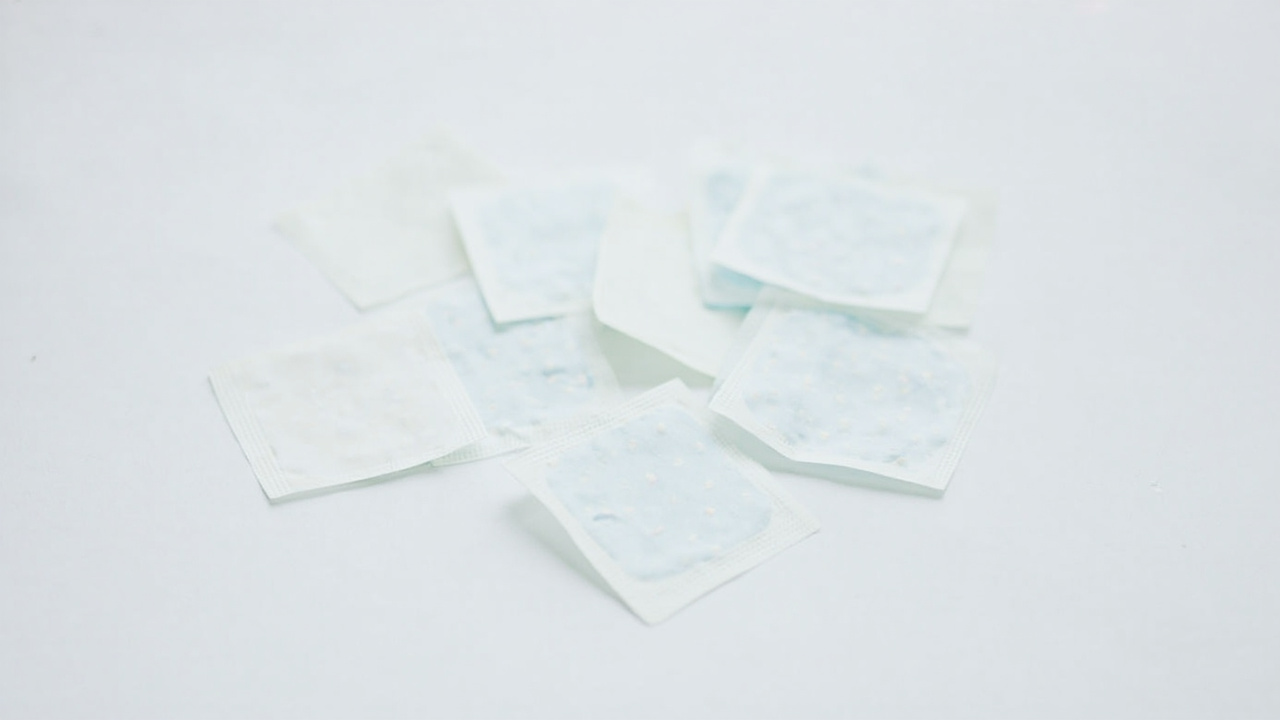
Understanding the true patch manufacturing cost is essential for any B2B buyer sourcing transdermal patches. Whether you’re developing a new product or scaling an existing line, the price you pay is influenced by a complex interplay of materials, labor, technology, regulatory requirements, and market dynamics. In this comprehensive guide, we break down the transdermal patch cost structure to help you make informed decisions and negotiate better terms with your manufacturing partner.
Key Takeaways
- Why Patch Manufacturing Cost Matters for B2B Buyers
- Core Components of Transdermal Patch Cost Structure
- Raw Materials: The Largest Cost Driver
- Manufacturing Process and Technology
- Quality Control and Regulatory Compliance
- Packaging, Logistics, and Other Hidden Costs
Key Takeaways
- The primary cost drivers for transdermal patches are raw materials (drug and excipients), manufacturing complexity, packaging, and regulatory compliance.
- Economies of scale can reduce per-unit costs by 20-30% when order volumes increase from 100,000 to 1 million units.
- Regulatory certifications like FDA, ISO 13485, and GMP add upfront costs but are non-negotiable for market access.
- Choosing an experienced OEM partner like Kongdy Health can streamline production and reduce total cost of ownership.
- Hidden costs such as quality testing, stability studies, and logistics should be factored into your total budget.
Why Patch Manufacturing Cost Matters for B2B Buyers
Transdermal patches are a rapidly growing drug delivery system, with the global market projected to reach $8.7 billion by 2027, growing at a CAGR of 4.5% from 2022 (Grand View Research, 2022). As demand rises, so does competition. For B2B buyers, understanding the cost structure is not just about getting a low price—it’s about ensuring quality, compliance, and supply chain reliability. A patch that fails regulatory scrutiny or has inconsistent release profiles can cost far more in recalls and lost sales than the initial savings from a cheaper supplier.
Moreover, the patch price factors vary significantly based on the type of patch (matrix, reservoir, drug-in-adhesive), the active pharmaceutical ingredient (API), and the manufacturing technology used. By dissecting each component, you can identify opportunities for cost optimization without compromising quality.
Core Components of Transdermal Patch Cost Structure
The transdermal patch cost structure can be broken down into several key categories: raw materials, manufacturing labor and overhead, quality control and testing, packaging, regulatory compliance, and logistics. Each contributes a percentage to the final unit price, and understanding these proportions helps in targeting cost reduction efforts.
Raw materials typically account for 30-50% of the total cost, depending on the API. For example, a patch containing a generic drug like nicotine may have material costs as low as $0.10 per patch, while a patch with a proprietary biologic could exceed $5.00 per patch. Manufacturing labor and overhead contribute 20-30%, driven by the complexity of the production line and the level of automation. Quality control, including in-process and finished product testing, adds another 10-15%. Packaging and labeling account for 5-10%, and regulatory compliance (including documentation and audits) adds 5-15%. Logistics and distribution vary widely based on distance and mode of transport.
It’s important to note that these percentages are indicative and can shift based on order volume, product specifications, and supplier efficiency. For instance, high-volume orders often benefit from economies of scale, reducing the per-unit share of fixed costs like regulatory compliance and equipment setup.
Raw Materials: The Largest Cost Driver
The cost of raw materials is the most significant factor in patch manufacturing. This includes the active pharmaceutical ingredient (API), adhesives, backing films, release liners, and permeation enhancers. The API alone can constitute 20-40% of the total cost, especially for highly potent or expensive drugs.
Adhesives are critical for patch performance and can be based on silicone, acrylic, or polyisobutylene. Silicone adhesives offer excellent biocompatibility but are more expensive than acrylics. The choice of adhesive affects not only cost but also drug release kinetics and skin adhesion. Backing films, typically made of polyester or polyethylene, provide structural support and barrier properties. Release liners, often silicone-coated, protect the adhesive until use. Permeation enhancers, such as oleic acid or isopropyl myristate, are used to improve drug absorption through the skin and add to material costs.
Market fluctuations in raw material prices, especially for petrochemical-derived components, can impact patch manufacturing cost. For example, the price of silicone adhesives increased by 10-15% in 2022 due to supply chain disruptions (MarketsandMarkets, 2023). Buyers should consider long-term contracts or alternative materials to mitigate such risks.
Manufacturing Process and Technology
The manufacturing process for transdermal patches involves several steps: mixing, coating, drying, lamination, die-cutting, and packaging. The complexity of these steps and the technology employed directly influence labor and overhead costs. For instance, solvent-based coating requires additional drying and solvent recovery systems, increasing both capital and operating expenses. Hot-melt coating, on the other hand, eliminates solvents but requires specialized equipment and expertise.
Automation plays a crucial role in cost efficiency. A fully automated line can produce thousands of patches per hour with minimal human intervention, reducing labor costs and improving consistency. However, the initial investment in automation is high, which is why many buyers partner with contract manufacturers who already have the infrastructure. Kongdy Health, for example, operates state-of-the-art automated lines in ISO 13485-certified facilities, allowing for cost-effective production at scale.
Furthermore, the type of patch—matrix, reservoir, or drug-in-adhesive—affects manufacturing complexity. Matrix patches are generally simpler and less expensive to produce, while reservoir patches require additional steps to encapsulate the drug reservoir, increasing costs. Drug-in-adhesive patches offer a balance, with the drug incorporated directly into the adhesive matrix.
Quality Control and Regulatory Compliance
Quality control (QC) and regulatory compliance are non-negotiable in the pharmaceutical industry, and they significantly impact patch manufacturing cost. QC includes raw material testing, in-process controls, and finished product testing for attributes such as drug content, release rate, adhesion, and microbial contamination. These tests require sophisticated analytical equipment and skilled personnel, adding to the overall cost.
Regulatory compliance involves adhering to standards set by agencies like the FDA, EMA, and other national authorities. Certifications such as ISO 13485, GMP, and CE marking demonstrate a manufacturer’s commitment to quality and safety. Achieving these certifications requires substantial investment in documentation, audits, and facility upgrades. For example, ISO 13485 certification can cost upwards of $50,000 in initial audits and consulting fees, plus ongoing maintenance. However, these costs are spread across production volume and are essential for market access.
Failure to comply can lead to warning letters, product recalls, or import bans, which are far more costly than the initial investment. Therefore, when evaluating patch price factors, buyers should prioritize suppliers with robust regulatory credentials.
Packaging, Logistics, and Other Hidden Costs
Packaging for transdermal patches must protect the product from moisture, light, and contamination while providing tamper evidence and child resistance. Common packaging formats include foil pouches, blister packs, and cartons. The choice of material and design affects cost; for instance, child-resistant packaging adds 10-20% to packaging costs. Labeling must comply with country-specific regulations, including language and symbols, which can add complexity.
Logistics costs depend on shipping distance, mode (air, sea, land), and storage conditions. Transdermal patches often require temperature-controlled shipping to maintain stability, especially for heat-sensitive drugs. Cold chain logistics can increase transportation costs by 20-30% compared to ambient shipping. Additionally, customs duties, taxes, and insurance should be factored in.
Other hidden costs include inventory carrying costs, insurance, and potential tariffs. Buyers should request a detailed breakdown from suppliers to uncover any overlooked expenses. A transparent supplier will provide a line-item quote that includes all these elements.
How Order Volume and Customization Affect Pricing
Order volume is one of the most powerful levers for reducing per-unit patch manufacturing cost. Economies of scale allow manufacturers to spread fixed costs—such as equipment setup, regulatory documentation, and quality testing—over more units. For example, increasing order size from 100,000 to 1 million patches can reduce the per-unit cost by 20-30%. However, this depends on the manufacturer’s capacity and the product’s shelf life.
Customization, while necessary for brand differentiation, adds cost. Custom shapes, sizes, colors, and printing require additional tooling and setup time. Similarly, customized release profiles or combination products may necessitate additional R&D and testing. Buyers should balance the desire for customization with cost implications and consider standard platforms where possible.
Negotiating long-term contracts or forecasting demand accurately can also lead to better pricing. Suppliers value predictable volumes and may offer discounts for committed orders.
Strategies to Optimize Patch Manufacturing Cost
Optimizing cost requires a strategic approach that balances quality, compliance, and efficiency. Here are actionable steps:
- Consolidate suppliers: Partnering with a single OEM that offers end-to-end services can reduce coordination costs and leverage volume discounts.
- Design for manufacturability: Involve your manufacturing partner early in the design phase to ensure the patch can be produced efficiently without compromising performance.
- Standardize components: Use standard adhesives, backing films, and release liners where possible to avoid custom tooling and minimum order quantities.
- Forecast accurately: Provide reliable demand forecasts to help your supplier plan production runs and reduce changeover costs.
- Leverage automation: Choose suppliers with automated production lines that offer consistent quality at lower labor costs.
- Negotiate payment terms: Longer payment terms can improve your cash flow, effectively reducing the total cost of ownership.
- Consider total cost of ownership: Don’t focus solely on unit price; factor in quality, reliability, and regulatory support.
By implementing these strategies, you can achieve significant savings without sacrificing quality. For instance, a recent case study showed that a pharmaceutical company reduced its patch manufacturing cost by 18% by consolidating suppliers and standardizing components (Kongdy Health internal data, 2023).
Frequently Asked Questions
What is the average cost to manufacture a transdermal patch?
The average cost varies widely based on the API, patch type, and order volume. For a generic drug patch produced in high volumes, the cost can range from $0.20 to $0.50 per patch. For a proprietary or biologic patch, costs can exceed $5.00 per patch. These figures include materials, labor, QC, packaging, and regulatory compliance but exclude logistics and duties. It’s essential to request a detailed quote tailored to your specifications.
How do regulatory requirements impact patch manufacturing cost?
Regulatory requirements such as FDA, ISO 13485, and GMP add significant costs to patch manufacturing. Compliance involves rigorous documentation, facility audits, and ongoing training, which can increase overhead by 10-15%. However, these costs are necessary for market access and are typically spread across production volume. Non-compliance can lead to far greater expenses, including recalls and legal penalties, so buyers should view regulatory investment as a risk mitigation strategy.
Can I reduce patch manufacturing cost without compromising quality?
Yes, by focusing on design optimization, volume consolidation, and supplier partnerships. Early involvement of your manufacturing partner can identify cost-saving opportunities in materials and processes. Standardizing components and increasing order volume also reduce per-unit costs. However, cutting corners on quality or regulatory compliance is never advisable, as it can lead to product failures and reputational damage. A reputable OEM like Kongdy Health can help you achieve cost efficiency while maintaining the highest quality standards.
Sources
- Grand View Research – Transdermal Patch Market Size Report, 2022
- MarketsandMarkets – Transdermal Patch Market Global Forecast, 2023
- FDA – Transdermal Patches Regulatory Information
- ISO 13485:2016 – Medical Devices Quality Management
Ready to optimize your patch manufacturing cost? Partner with Kongdy Health, a trusted OEM/ODM manufacturer with over 30 years of experience, serving 120+ countries. Contact us today for a detailed quote and discover how we can help you achieve cost-effective, high-quality transdermal patches.