
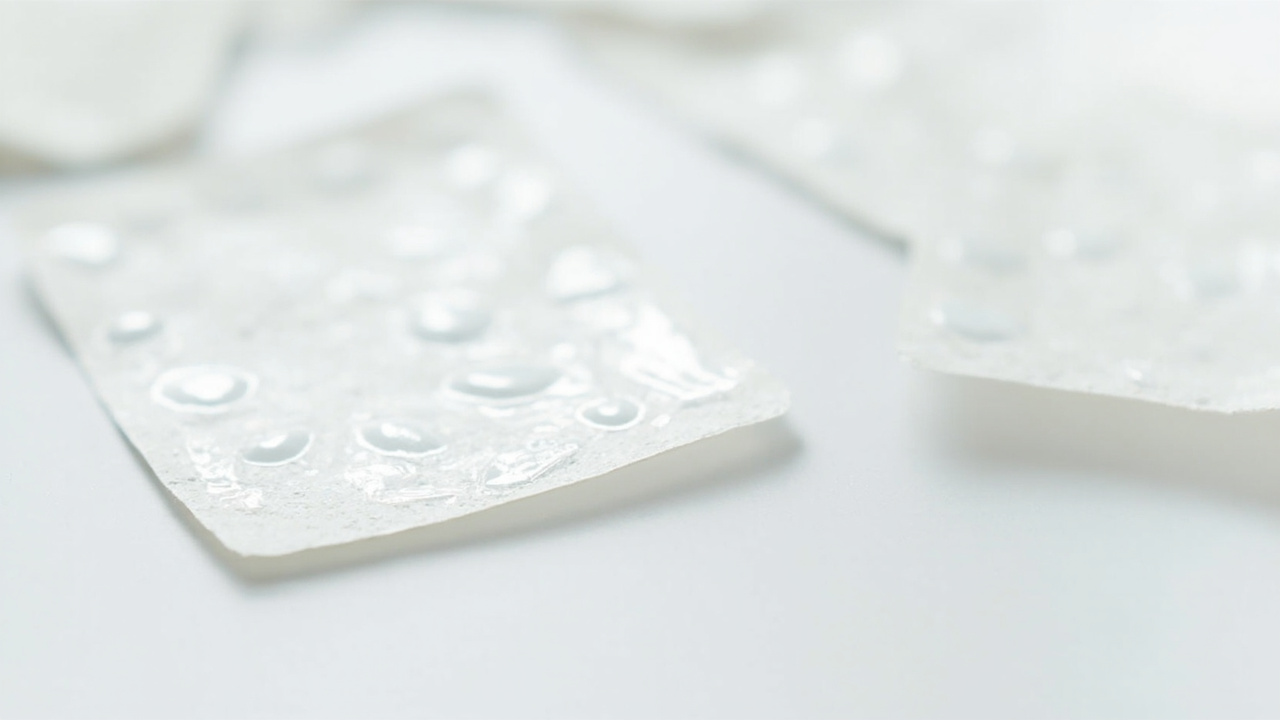
Heat patches—also known as warming patches or thermal therapy patches—have become a staple in pain management, sports recovery, and everyday comfort. For B2B buyers, sourcing these products from a reliable heat patch manufacturer is not just about cost; it’s about ensuring that every patch delivers consistent, safe heat within strict regulatory frameworks. With the global warming patch market projected to grow at a CAGR of 6.5% from 2023 to 2030 (Grand View Research, 2023), the demand for high-quality, compliant products is skyrocketing. But what separates a premium heat patch from a potential liability? The answer lies in rigorous manufacturing standards covering temperature control, safety testing, and regulatory compliance. In this comprehensive guide, we’ll dive deep into the critical aspects of heat patch manufacturing, from raw material selection to final product testing, and explore how partnering with a GMP heat patch factory like Kongdy Health can mitigate risks and ensure market success.
Key Takeaways
- Why Temperature Control Defines Heat Patch Quality
- Critical Safety Testing Protocols for Warming Patches
- Regulatory Compliance: FDA, ISO 13485, GMP, and CE
- Manufacturing Process: From Raw Materials to Finished Patch
- Common Pitfalls in Heat Patch Manufacturing and How to Avoid Them
- Future Trends: Smart Heat Patches and Regulatory Evolution
Key Takeaways
- Temperature control is the cornerstone of heat patch safety; deviations can cause burns or ineffective therapy.
- Warming patch safety testing must include exothermic reaction stability, skin irritation, and adhesion performance.
- Compliance with FDA, ISO 13485, GMP, and CE is non-negotiable for market access and liability protection.
- Partnering with an experienced OEM manufacturer like Kongdy Health ensures end-to-end quality and regulatory support.
- Market data shows rising demand for heat patches, but recalls due to quality failures highlight the need for stringent standards.
- Innovations in temperature-regulating materials and smart patches are shaping the future of heat patch manufacturing.
Why Temperature Control Defines Heat Patch Quality
Temperature control is not just a feature—it’s the fundamental determinant of a heat patch’s safety and efficacy. Unlike topical creams or oral analgesics, heat patches rely on an exothermic chemical reaction to generate therapeutic heat, typically between 40°C and 45°C (104°F to 113°F) for safe skin contact over extended periods. If the temperature exceeds this range, the risk of first- or second-degree burns increases dramatically. According to a 2022 study in the Journal of Burn Care & Research, improper use of heat patches led to over 1,200 burn-related emergency visits in the U.S. alone, with many cases linked to manufacturing defects in temperature regulation.
From a manufacturing perspective, achieving precise temperature control requires meticulous formulation of the heat-generating matrix—usually a blend of iron powder, activated carbon, salt, and water. The ratio of these components, their particle size distribution, and the permeability of the outer pouch all influence the rate and peak of heat release. A GMP heat patch factory must implement strict process controls: raw material verification, mixing uniformity checks, and real-time monitoring during the exothermic reaction. For instance, variations in iron powder oxidation can cause hot spots that exceed 50°C, leading to skin damage.
Moreover, temperature control extends to the patch’s duration. A standard heat patch should maintain a consistent temperature for 8 to 12 hours. Manufacturers use specialized membranes that regulate oxygen ingress, thereby controlling the oxidation rate. Without this, patches may peak too quickly and then cool prematurely, failing to provide sustained relief. At Kongdy Health, we employ advanced lamination techniques and proprietary membrane technology to ensure even heat distribution, validated through thermal imaging and continuous temperature logging during production.
Critical Safety Testing Protocols for Warming Patches
Warming patch safety testing is a multi-layered process that goes beyond basic temperature checks. It encompasses biological, chemical, and mechanical evaluations to ensure the product is safe for all intended users. Regulatory bodies such as the FDA and EU authorities require extensive testing before a heat patch can be commercialized. For B2B buyers, understanding these protocols is essential when auditing potential suppliers.
The first layer is biocompatibility testing, which assesses the patch’s potential to cause skin irritation, sensitization, or systemic toxicity. This is typically performed according to ISO 10993 standards. Tests include in vitro cytotoxicity, skin irritation (using reconstructed human epidermis), and sensitization assays (e.g., LLNA). A 2021 review by the FDA found that 15% of adverse event reports for heat patches were related to skin reactions, underscoring the importance of rigorous biocompatibility evaluation.
The second layer is performance testing, which includes:
- Temperature profile testing: Continuous monitoring of patch temperature over time using thermocouples or infrared cameras to ensure it stays within the therapeutic window (40–45°C) and never exceeds 50°C.
- Adhesion testing: Evaluating peel strength and shear strength to ensure the patch remains attached during movement and sweat, without causing skin trauma upon removal.
- Duration testing: Verifying that the patch maintains heat for the specified duration (e.g., 8 hours) under varying environmental conditions (e.g., 25°C, 50% RH).
- Stability testing: Assessing shelf-life and heat performance after accelerated aging (e.g., 3 months at 40°C/75% RH) to ensure product integrity over time.
- Safety margin testing: Simulating worst-case scenarios, such as patch folding or compression, to ensure no excessive heat generation occurs.
Additionally, manufacturers must conduct risk assessments per ISO 14971, identifying potential hazards like allergic reactions, burns, or patch leakage. Each risk must be mitigated through design or process controls, and validated through testing. For example, a common hazard is the patch overheating if the outer pouch is damaged; manufacturers mitigate this by using puncture-resistant materials and including warning labels.
Regulatory Compliance: FDA, ISO 13485, GMP, and CE
Navigating the regulatory landscape is one of the most challenging aspects for heat patch buyers and manufacturers alike. In the United States, heat patches are typically classified as Class I or Class II medical devices, depending on claims. They require FDA 510(k) clearance if they make therapeutic claims (e.g., “relieves pain”). The FDA’s Quality System Regulation (QSR, 21 CFR Part 820) mandates rigorous design controls, process validation, and complaint handling. Non-compliance can lead to warning letters, recalls, or import bans.
In Europe, heat patches must comply with the Medical Device Regulation (MDR 2017/745) and bear the CE mark. This requires a conformity assessment, often involving a Notified Body, and adherence to ISO 13485:2016—the international standard for medical device quality management systems. ISO 13485 emphasizes risk-based decision-making, traceability, and continuous improvement. A GMP heat patch factory must also follow Good Manufacturing Practices (GMP), which cover facility cleanliness, personnel hygiene, equipment calibration, and documentation.
Kongdy Health has been certified to ISO 13485, FDA, and GMP since 1989, and our facilities are regularly audited to ensure compliance. We also hold CE certification for our heat patch lines. For B2B buyers, choosing a manufacturer with these credentials is not just about meeting legal requirements—it’s about safeguarding your brand reputation. A single recall due to non-compliance can cost millions and erode customer trust. According to a 2023 report by MarketsandMarkets, the global medical device market is expected to reach $718 billion by 2027, but regulatory hurdles remain a top challenge for 60% of manufacturers.
Manufacturing Process: From Raw Materials to Finished Patch
The production of a heat patch involves a series of precise steps, each critical to the final product’s quality and safety. Here is a step-by-step overview of the manufacturing process in a GMP heat patch factory:
- Raw Material Sourcing and Testing: All ingredients (iron powder, activated carbon, salt, water, and adhesives) are sourced from qualified suppliers and tested for purity, particle size, and reactivity. Certificates of Analysis (CoA) are required for each batch.
- Formulation and Mixing: The heat-generating mixture is blended in a controlled environment to ensure homogeneity. Mixing time, speed, and temperature are monitored to prevent premature reaction.
- Pouch Fabrication: The outer pouch is made from specialized non-woven or film materials with controlled air permeability. These materials are tested for tensile strength and permeability to ensure consistent oxygen flow.
- Filling and Sealing: The mixture is filled into pouches using automated equipment, and the pouches are heat-sealed. Seal integrity is verified through leak testing and visual inspection.
- Adhesive Coating and Lamination: The adhesive layer is applied to the backing, and the pouch is laminated. Adhesion properties are tested to ensure skin-friendly performance.
- Cutting and Packaging: Patches are cut to size, individually wrapped, and packaged with instructions. Packaging must be airtight to prevent premature activation.
- Quality Control and Release: Finished patches undergo sampling and testing for temperature profile, adhesion, and sterility (if applicable). Only batches meeting specifications are released.
- Sterilization (if required): For certain markets, patches may undergo ethylene oxide (EO) sterilization or gamma irradiation, followed by aeration to remove residuals.
Each step is governed by written procedures and batch records, ensuring traceability. In a GMP heat patch factory, environmental monitoring is also crucial: temperature, humidity, and particulate levels are controlled to prevent contamination. For instance, the mixing area must be kept at low humidity to prevent the iron powder from oxidizing prematurely.
Common Pitfalls in Heat Patch Manufacturing and How to Avoid Them
Even with established standards, manufacturers can fall into traps that compromise product quality. One frequent issue is inconsistent temperature profiles due to inadequate mixing or poor pouch permeability. This can lead to patches that either don’t get warm enough or become too hot, resulting in customer complaints and potential returns. To avoid this, manufacturers should invest in real-time process analytics and conduct extensive design of experiments (DoE) to optimize formulations.
Another pitfall is insufficient stability testing. Heat patches are sensitive to environmental conditions; a patch that performs well initially may degrade over time, leading to premature activation or reduced heat output. Accelerated aging studies and real-time stability testing are essential to establish accurate shelf-life. Additionally, many manufacturers overlook the importance of user instructions and labeling. Clear warnings about not using patches on broken skin, during sleep, or with other heat sources are critical to prevent misuse. The FDA has issued numerous warnings about heat patch burns, often due to inadequate labeling.
Finally, suppliers that lack robust supplier management can face raw material variability. Iron powder from different sources may have varying oxidation rates, affecting heat output. A GMP heat patch factory must audit suppliers regularly and maintain strict incoming inspection protocols. At Kongdy Health, we have a dedicated supplier quality team that ensures all materials meet our specifications before entering production.
Future Trends: Smart Heat Patches and Regulatory Evolution
The heat patch industry is evolving, driven by technological advancements and changing regulations. One emerging trend is the development of “smart” heat patches with built-in temperature sensors and indicators. These patches can provide visual feedback when the optimal temperature is reached or when the patch should be removed, enhancing safety and user experience. According to a 2024 report by Frost & Sullivan, the market for smart wearable medical devices is expected to grow at 15% annually, and heat patches are part of this wave.
Another trend is the use of phase change materials (PCMs) to regulate temperature more precisely. PCMs absorb excess heat and release it when needed, maintaining a stable temperature for longer periods. This innovation could reduce the risk of burns and improve therapeutic outcomes. Manufacturers are also exploring biodegradable materials to meet sustainability goals, although this must be balanced with performance and regulatory requirements.
On the regulatory front, authorities are tightening requirements for medical devices, including heat patches. The EU MDR has increased scrutiny on clinical evidence and post-market surveillance. In the U.S., the FDA is moving toward a more risk-based approach, with increased focus on cybersecurity for connected devices. For B2B buyers, staying informed about these changes is crucial. Partnering with a manufacturer that has a strong regulatory affairs team, like Kongdy Health, can help navigate these complexities and ensure continuous compliance.
Choosing the Right OEM Partner for Heat Patch Manufacturing
Selecting a heat patch manufacturer is a strategic decision that impacts your product’s success and brand reputation. Here are key factors to consider:
- Certifications and Compliance: Verify ISO 13485, FDA registration, GMP, and CE marks. Request copies of certificates and audit reports.
- Experience and Expertise: Look for a manufacturer with a long history in transdermal patches. Kongdy Health has been operating since 1989 and serves 120+ countries.
- R&D Capabilities: A strong R&D team can customize formulations, sizes, and packaging to meet your specific market needs.
- Quality Management: Review their quality control processes, including incoming inspection, in-process controls, and final release testing.
- Capacity and Scalability: Ensure they can handle your order volumes and scale up as your business grows.
- Regulatory Support: Choose a partner that assists with product registration, labeling, and post-market surveillance.
- Communication and Transparency: A responsive team that provides regular updates and resolves issues promptly is invaluable.
At Kongdy Health, we offer end-to-end OEM/ODM services for heat patches, from formulation development to packaging design. Our facilities are equipped with advanced manufacturing technology and staffed by experienced professionals. We understand the nuances of different markets and can help you navigate regulatory pathways efficiently. Whether you need a standard heat patch or a custom solution, our team is dedicated to delivering high-quality products that meet your specifications.
To learn more about our OEM/ODM services and how we can support your heat patch project, visit Kongdy Health OEM/ODM Services. Let us be your trusted partner in bringing safe, effective heat patches to your customers.
Frequently Asked Questions
Q1: What temperature should a heat patch reach for safe and effective use?
A safe and effective heat patch should maintain a temperature between 40°C and 45°C (104°F to 113°F) for the duration of use, typically 8 to 12 hours. Temperatures above 50°C can cause burns, while temperatures below 40°C may not provide sufficient therapeutic benefit. Manufacturers must validate their formulations to ensure consistent temperature profiles across all batches. Regular testing with thermocouples and thermal imaging is essential to confirm that the patch stays within this range under various conditions.
Q2: What safety tests are required for warming patches before they can be sold?
Warming patches must undergo a battery of safety tests, including biocompatibility (ISO 10993), temperature profile analysis, adhesion testing, stability testing, and risk assessment (ISO 14971). Biocompatibility tests check for skin irritation and sensitization. Temperature profile testing ensures the patch doesn’t overheat. Adhesion testing verifies that the patch stays in place without damaging skin. Stability testing determines shelf-life. Additionally, manufacturers must comply with FDA, ISO 13485, GMP, and CE requirements, which may include clinical evaluations for certain claims.
Q3: How can I verify that a heat patch manufacturer complies with GMP and ISO 13485?
To verify compliance, request copies of the manufacturer’s ISO 13485 certificate, FDA registration, and GMP audit reports. Check the validity and scope of certifications on the issuing body’s website. Conduct an on-site audit or request a recent third-party audit report. Review their quality manual and batch records to ensure they follow documented procedures. A reputable manufacturer like Kongdy Health will be transparent and provide all necessary documentation. Additionally, look for a history of regulatory inspections and any warning letters or recalls, which can indicate quality issues.