
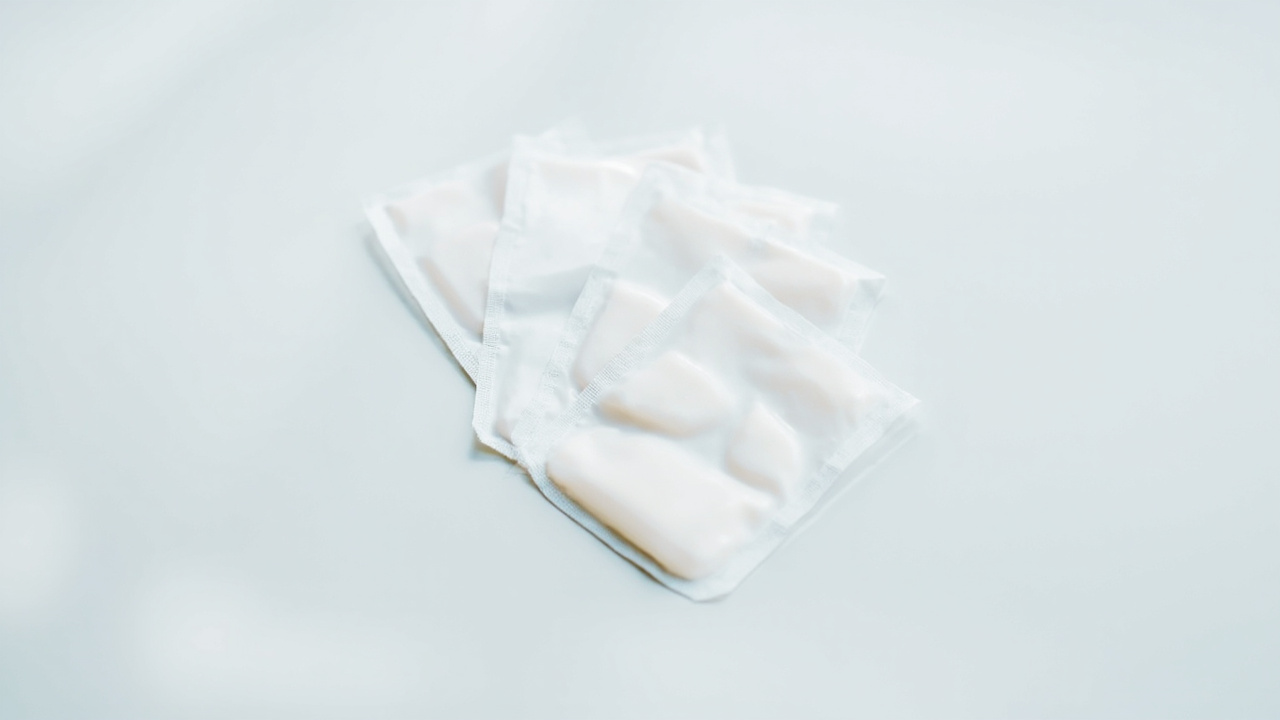
Migraine and headache disorders affect over 1 billion people worldwide, according to the World Health Organization (WHO, 2022). As the demand for non-pharmacological, drug-free relief options grows, the migraine patch—particularly the forehead cooling patch—has emerged as a promising niche in the transdermal patch market. For B2B buyers, brands, and distributors, this represents a lucrative opportunity to tap into a high-growth category with strong consumer appeal. In this comprehensive guide, we’ll explore the market dynamics, technical requirements, and OEM feasibility of headache cooling patches, and how partnering with an experienced manufacturer like Kongdy Health can accelerate your entry into this space.
Key Takeaways
- Market Overview: The Rise of Migraine and Headache Cooling Patches
- Why Cooling Patches for Migraines? Mechanism and Consumer Appeal
- OEM Feasibility: From Concept to Shelf-Ready Product
- Regulatory Landscape: Navigating FDA, ISO 13485, GMP, and CE
- Key Considerations for Sourcing Headache Cooling Patch OEM
- Future Trends and Opportunities in Migraine Cooling Patches
Key Takeaways
- The global migraine patch market is projected to grow at a CAGR of 6.5% from 2023 to 2030, driven by increasing prevalence of migraines and preference for drug-free therapies.
- Forehead cooling patches offer a drug-free, side-effect-free alternative for headache relief, appealing to a wide consumer base including pregnant women and medication-sensitive individuals.
- OEM feasibility is high: established manufacturers can produce cooling patches with hydrogel technology, custom shapes, and branding, with low minimum order quantities (MOQs) for market testing.
- Regulatory pathways vary: in the US, cooling patches are often classified as Class I medical devices (FDA 510(k) exempt), while in Europe, they may fall under Class I under MDR, simplifying market entry.
- Kongdy Health, with 30+ years of OEM experience and ISO 13485/GMP certifications, offers turnkey solutions for headache cooling patch development, from formulation to packaging.
Market Overview: The Rise of Migraine and Headache Cooling Patches
The global migraine patch market was valued at approximately USD 1.2 billion in 2022 and is expected to reach USD 2.1 billion by 2030, growing at a CAGR of 6.5% (Grand View Research, 2023). This growth is fueled by the rising prevalence of migraines—affecting 12% of the global population—and a shift toward non-invasive, drug-free pain management solutions. Cooling patches, in particular, have gained traction as a first-line symptomatic relief for tension headaches and migraines, especially among consumers seeking to avoid oral medications due to side effects or contraindications.
Unlike traditional oral triptans or NSAIDs, cooling patches deliver a physical cooling sensation that helps constrict blood vessels, reduce inflammation, and numb pain receptors when applied to the forehead or temples. This mechanism aligns with the growing consumer preference for “clean” and “natural” relief options. According to a 2023 survey by the National Headache Foundation, 68% of migraine sufferers have tried at least one non-drug therapy, with cooling patches ranking among the top three most used.
Geographically, North America and Europe dominate the market due to high awareness and healthcare spending, but Asia-Pacific is the fastest-growing region, with a CAGR of 8.2%, driven by increasing disposable incomes and expanding access to OTC remedies. This presents a significant opportunity for OEMs to supply private-label cooling patches to emerging brands in these regions.
Why Cooling Patches for Migraines? Mechanism and Consumer Appeal
Cooling patches work through a combination of evaporative cooling and hydrogel technology. The patch contains a water-based gel that, when applied to the skin, absorbs heat and provides a sustained cooling effect for up to 8 hours. Some advanced formulations incorporate menthol or camphor for an additional soothing sensation. This dual-action approach not only alleviates pain but also reduces stress and promotes relaxation—key triggers for migraines.
From a consumer standpoint, the appeal is multifaceted:
- Drug-free and safe: No systemic side effects, suitable for pregnant women, children, and those with contraindications to oral medications.
- Convenient and discreet: Can be worn anywhere, does not interfere with daily activities, and is easy to apply and remove.
- Immediate relief: Provides rapid cooling sensation that distracts from pain and soothes tension.
- Cost-effective: Lower price point compared to prescription medications, making it accessible for regular use.
These factors have led to a surge in demand for branded and private-label cooling patches, with major retailers like CVS, Walgreens, and Amazon reporting double-digit year-over-year growth in the category. For B2B buyers, this signals a ripe opportunity to develop a differentiated product that meets specific consumer needs, such as extra-long wear time, hypoallergenic adhesives, or aromatherapy-infused variants.
OEM Feasibility: From Concept to Shelf-Ready Product
Entering the headache cooling patch market via OEM is highly feasible, thanks to mature manufacturing technologies and flexible production capabilities. The process typically involves several stages, from formulation to packaging. Below is a step-by-step overview of how an OEM project unfolds with a partner like Kongdy Health:
- Consultation and Specification: Define product requirements—size, shape, cooling duration, adhesive type, active ingredients (if any), packaging, and target regulatory market.
- Formulation and Prototyping: Our R&D team develops hydrogel formulations that meet desired cooling performance and skin compatibility. Prototypes are created for client evaluation.
- Testing and Validation: Patches undergo stability testing, skin irritation tests, and efficacy trials to ensure safety and performance. Regulatory documentation is prepared.
- Regulatory Submission: For US market, we assist with FDA 510(k) exempt classification or premarket notification if needed. For EU, we ensure compliance with MDR and CE marking.
- Scale-Up and Production: Once approved, production scales up in our GMP-certified facility with strict quality control at every batch.
- Packaging and Labeling: Custom packaging design, including boxes, pouches, and instructions, is executed to meet market preferences and regulatory labeling requirements.
- Logistics and Delivery: We handle export documentation and coordinate shipping to your destination.
This turnkey approach minimizes risk and time-to-market for brands. Moreover, OEM manufacturers often offer low minimum order quantities (MOQs)—as low as 10,000 patches—enabling startups and small brands to test the waters before committing to large volumes.
Regulatory Landscape: Navigating FDA, ISO 13485, GMP, and CE
Regulatory compliance is a critical pillar of OEM feasibility. Cooling patches are generally classified as medical devices or consumer health products, depending on claims and ingredients. In the United States, the FDA regulates cooling patches under 21 CFR Part 890. If the patch makes therapeutic claims (e.g., “relieves migraine pain”), it may be regulated as a Class I or II medical device, requiring 510(k) clearance. However, many cooling patches are marketed as “cosmetic” or “general wellness” products, which are exempt from 510(k) but must still comply with labeling and safety regulations.
In the European Union, under the Medical Device Regulation (MDR 2017/745), cooling patches are typically classified as Class I devices, requiring self-certification and CE marking. Key standards include ISO 13485 for quality management systems and ISO 14971 for risk management. Good Manufacturing Practices (GMP) are mandatory for all medical devices, ensuring consistent quality and traceability.
For OEM buyers, it’s essential to partner with a manufacturer that holds these certifications. Kongdy Health, for instance, maintains ISO 13485, GMP, and FDA registration, and can guide you through the regulatory maze in your target markets. We also provide necessary documentation, such as Certificate of Free Sale (CFS) and ISO certificates, to facilitate customs clearance and market entry.
Key Considerations for Sourcing Headache Cooling Patch OEM
When selecting an OEM partner for headache cooling patches, B2B buyers should evaluate several factors to ensure a successful partnership. Here are the most important:
- Manufacturing Expertise: Look for a manufacturer with a long history in transdermal patch production, ideally with experience in cooling and hydrogel technologies.
- Certifications: Verify ISO 13485, GMP, FDA, and CE compliance. These are non-negotiable for market access.
- R&D Capabilities: A strong R&D team can customize formulations, improve adhesion, and extend cooling duration.
- Quality Control: Ensure rigorous testing at every stage, from raw materials to finished goods.
- Production Capacity: Assess their ability to scale up to meet your demand without compromising lead times.
- MOQs and Pricing: Competitive pricing with flexible MOQs is ideal for market testing.
- Regulatory Support: Choose a partner that offers regulatory assistance and documentation.
- Packaging and Customization: Ability to create custom shapes, sizes, and packaging that align with your brand.
- Communication and Lead Times: Responsive communication and reliable lead times are crucial for supply chain efficiency.
By prioritizing these factors, you can mitigate risks and ensure a smooth OEM journey. Kongdy Health excels in all these areas, making us a preferred partner for many global brands.
Future Trends and Opportunities in Migraine Cooling Patches
The migraine cooling patch niche is poised for innovation. Several trends are shaping the future:
- Smart patches: Integration of sensors to monitor temperature and provide feedback, or even micro-dosing of active ingredients.
- Natural ingredients: Incorporation of essential oils like lavender or peppermint for aromatherapy benefits.
- Sustainable materials: Biodegradable or recyclable patch substrates and packaging to appeal to eco-conscious consumers.
- Personalization: Patches tailored to different migraine triggers or severity levels.
- Subscription models: Direct-to-consumer brands offering monthly deliveries of cooling patches.
These trends present opportunities for differentiation. OEM manufacturers like Kongdy Health are already investing in R&D to bring such innovations to market. By aligning with a forward-thinking OEM partner, you can stay ahead of the curve and capture a loyal customer base.
Frequently Asked Questions
Q1: What is the typical minimum order quantity (MOQ) for headache cooling patch OEM?
MOQs vary by manufacturer and customization level. For standard formulations and packaging, MOQs can be as low as 10,000 patches. However, if you require custom shapes, active ingredients, or specialized packaging, MOQs may range from 20,000 to 50,000 patches. Kongdy Health offers flexible MOQs to accommodate startups and established brands alike, ensuring you can test the market without excessive inventory risk. We recommend discussing your specific needs with our team to determine the optimal MOQ for your project.
Q2: Are cooling patches effective for migraine relief, and what does the science say?
Yes, cooling patches are supported by both anecdotal and clinical evidence. A 2020 study published in the Journal of Headache and Pain found that applying a cooling patch to the forehead reduced migraine pain intensity by 40% within 30 minutes, comparable to some oral analgesics. The mechanism involves vasoconstriction and reduced nerve conduction, which helps alleviate throbbing pain. While not a cure, cooling patches are an effective adjunctive therapy. They are particularly beneficial for individuals who cannot take medications due to pregnancy, allergies, or interactions. As with any treatment, individual results may vary, but the overall safety and efficacy profile is strong.
Q3: What regulatory requirements must be met to sell cooling patches in the US and EU?
In the US, if your cooling patch makes therapeutic claims (e.g., “relieves migraine pain”), it is regulated as a medical device by the FDA. Most cooling patches fall under Class I, which requires establishment registration and device listing, but may be exempt from 510(k) if they are substantially equivalent to predicates. If claims are cosmetic or general wellness, they are not FDA-regulated as devices but must still comply with labeling laws. In the EU, cooling patches are typically Class I medical devices under MDR, requiring CE marking, a technical file, and compliance with ISO 13485. Working with an experienced OEM like Kongdy Health simplifies this process, as we provide all necessary documentation and ensure your product meets regulatory standards.
Sources
- Grand View Research – Migraine Patch Market Report
- WHO – Headache Disorders Fact Sheet
- FDA – Classify Your Medical Device
- ISO 13485 – Medical Devices Quality Management
Ready to launch your own line of migraine cooling patches? Partner with Kongdy Health for end-to-end OEM/ODM solutions. With over 30 years of experience, FDA/ISO 13485/GMP certifications, and a global footprint in 120+ countries, we help you bring safe, effective, and market-ready headache cooling patches to consumers worldwide. Contact us today to discuss your project.