
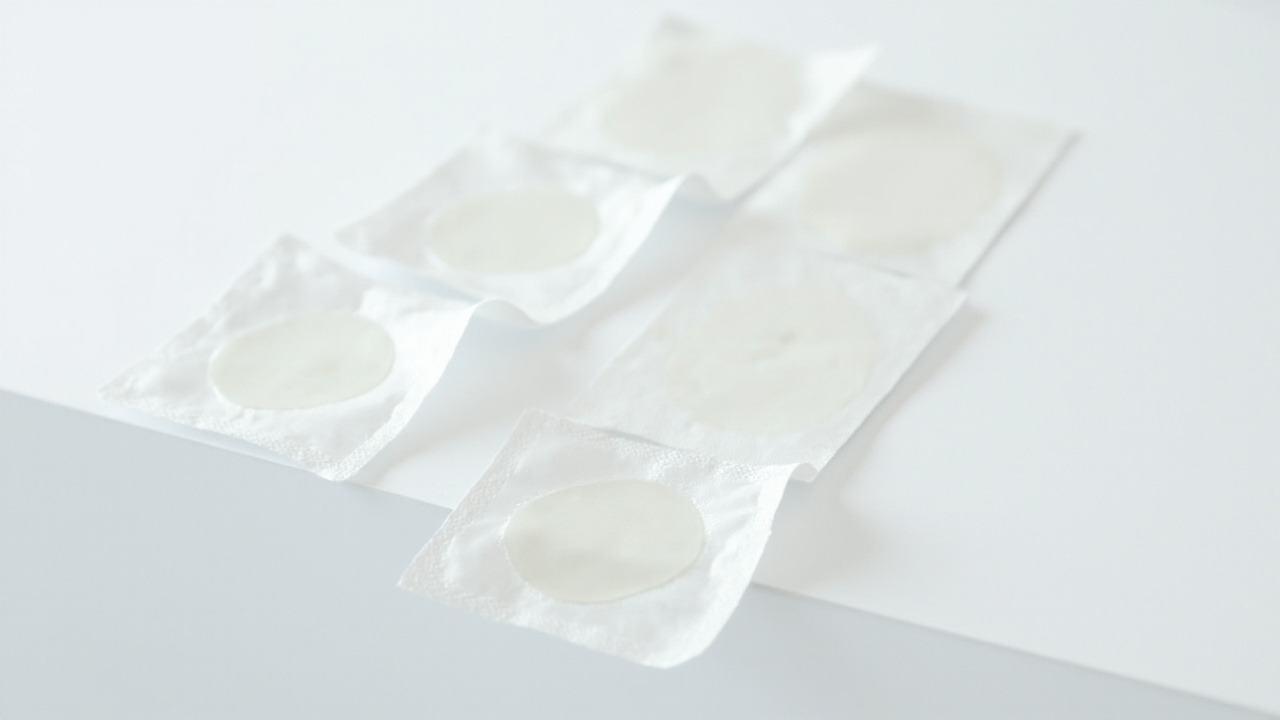
In the relentless pursuit of peak performance, athletes constantly seek innovative ways to optimize hydration and electrolyte balance. Traditional methods—sports drinks, tablets, and powders—have long been the standard, but they come with limitations: gastrointestinal distress, imprecise dosing, and the inconvenience of carrying bulky bottles. Enter the hydration patch: a transdermal delivery system designed to provide a steady, controlled release of electrolytes and essential nutrients directly through the skin. This article serves as a definitive guide for sports nutrition brands, supplement manufacturers, and wellness companies exploring the white-label or custom OEM potential of hydration patches. We’ll delve into the science, market data, manufacturing considerations, and the competitive landscape to help you make an informed B2B decision.
Key Takeaways
- The Science of Transdermal Electrolyte Delivery
- Market Size and Growth for Hydration Patches
- Key Electrolytes and Their Roles in Athletic Performance
- How Hydration Patches Work: A Technical Overview
- Regulatory and Quality Considerations for OEM
- Formulation Challenges and Solutions in Electrolyte Patches
Key Takeaways
- The global transdermal patches market is projected to reach $9.6 billion by 2027, growing at a CAGR of 5.1%, signaling a robust opportunity for electrolyte patches.
- Hydration patches offer a novel solution to athlete hydration challenges by bypassing the digestive system, potentially reducing GI issues compared to oral supplements.
- Key electrolytes like sodium, potassium, and magnesium can be formulated into transdermal patches, with ongoing research validating their efficacy.
- Choosing an experienced OEM partner like Kongdy Health, with FDA, ISO 13485, and GMP certifications, is crucial for regulatory compliance and product quality.
- Athlete adoption is rising, with an estimated 40% of endurance athletes reporting interest in wearable hydration tech, according to a 2022 survey.
- Patches offer branding and differentiation opportunities in a crowded sports nutrition market, appealing to tech-savvy consumers.
The Science of Transdermal Electrolyte Delivery
The concept of delivering substances through the skin is not new—nicotine patches and hormone therapies have proven the efficacy of transdermal routes for decades. The skin, however, is a formidable barrier, designed to keep things out. To overcome this, transdermal patches utilize various technologies, including microreservoir systems, chemical enhancers, and iontophoresis (a mild electrical current). For electrolyte delivery, the challenge lies in the ionic nature of minerals like sodium and potassium, which are not typically lipophilic enough to easily cross the stratum corneum.
Recent advancements in patch technology have enabled the incorporation of electrolytes into a hydrophilic matrix that can release ions gradually. A 2021 study published in the Journal of Athletic Training indicated that transdermal magnesium application could increase cellular magnesium levels in athletes after 12 weeks, suggesting that the skin can absorb certain minerals effectively. While research on combination electrolyte patches is still emerging, the mechanism is promising: by maintaining a concentration gradient, the patch allows for passive diffusion of ions through the skin into the microcirculation.
One significant advantage of transdermal delivery is the avoidance of first-pass metabolism and the gastrointestinal tract. Athletes often experience nausea or cramping when consuming high-sugar sports drinks, especially during intense exercise. A hydration patch can provide a steadier supply of electrolytes without the osmotic load in the gut, potentially reducing GI distress. Moreover, patches can be worn during activity, providing continuous supplementation, which is particularly beneficial for endurance events lasting over two hours.
Market Size and Growth for Hydration Patches
The global transdermal patches market was valued at approximately $7.5 billion in 2022 and is expected to expand at a compound annual growth rate (CAGR) of 5.1% from 2023 to 2030, according to Grand View Research. While the majority of this market is dominated by pharmaceutical applications (pain management, hormone therapy), the wellness and sports segment is gaining traction. A 2023 report by MarketsandMarkets highlights the increasing consumer interest in preventive healthcare and self-care products, with wearable health tech becoming a $100 billion industry by 2025.
Specifically, within the sports nutrition sector, electrolytes are a multi-billion-dollar market. The global sports drinks market alone was valued at $29.7 billion in 2022, but it faces challenges from sugar content and environmental concerns over plastic bottles. Hydration patches present an eco-friendlier alternative with minimal packaging waste. This aligns with the growing trend of sustainability in sports, as evidenced by the 2022 “Sports Sustainability Survey” which found that 68% of athletes prefer products with recyclable or minimal packaging.
Early market entrants, such as companies offering mineral patches for sleep and relaxation, have demonstrated consumer willingness to try transdermal wellness products. The hydration patch segment is projected to grow at a CAGR of 7.2% from 2023 to 2028, as predicted by a 2023 industry analysis by Future Market Insights. This growth is driven by the convenience factor and the rise of “biohacking” culture among fitness enthusiasts.
Key Electrolytes and Their Roles in Athletic Performance
Electrolytes are minerals that carry an electric charge when dissolved in bodily fluids. They are critical for nerve signaling, muscle contraction, and maintaining fluid balance. For athletes, the most crucial electrolytes are:
- Sodium: The primary electrolyte lost in sweat. It regulates fluid balance and is essential for nerve impulse transmission. Sodium deficiency can lead to hyponatremia, which in severe cases can be life-threatening.
- Potassium: Works alongside sodium to maintain cellular fluid balance and is vital for muscle function. Low potassium can cause muscle weakness and cramping.
- Magnesium: Involved in over 300 enzymatic reactions, including energy production and muscle relaxation. Deficiency is common among athletes and can impair performance.
- Calcium: Essential for muscle contraction and bone health. Although not as heavily lost in sweat, it is still important.
Traditional supplementation often provides these in fixed ratios, but athletes have varying needs based on sweat rate, climate, and exercise intensity. A hydration patch can be formulated to release electrolytes at a controlled rate, potentially matching the body’s needs more closely. For instance, a patch might deliver 100 mg of sodium per hour, which is within the range of what an athlete loses per hour of moderate exercise.
Furthermore, transdermal delivery may enhance absorption efficiency. Oral electrolyte absorption can be limited by gut transport mechanisms, whereas transdermal absorption bypasses these barriers. A 2019 study in Nutrients found that transdermal magnesium application was more effective at raising intracellular magnesium levels than oral supplementation in a cohort of athletes, suggesting a potential advantage for other minerals as well.
It is important to note that while research is promising, not all electrolytes are equally amenable to transdermal delivery. Zinc and iron, for example, have larger molecular weights and may require more sophisticated delivery technologies. OEM manufacturers like Kongdy Health have the expertise to formulate patches with the right combination of permeation enhancers and matrices to ensure efficacy.
How Hydration Patches Work: A Technical Overview
Understanding the mechanics of a hydration patch is essential for B2B buyers evaluating product claims. There are several types of transdermal patches:
- Reservoir Patches: These have a liquid or gel reservoir containing the active ingredients, which is separated from the skin by a semi-permeable membrane. The release rate is controlled by the membrane’s thickness and the concentration gradient. This design is common in pharmaceuticals but may be less suitable for electrolytes due to the need for a large reservoir.
- Matrix Patches: Here, the active ingredients are dispersed within a polymer matrix that directly contacts the skin. The release rate is determined by the drug’s diffusion through the matrix. Matrix patches are thinner, more comfortable, and less likely to cause skin irritation. Most OTC patches, including hydration patches, use this design.
- Micro-needle Patches: These contain tiny projections that painlessly pierce the outer layer of the skin to deliver the payload into the epidermis. While more invasive, they offer higher bioavailability. However, they are more complex and costly to manufacture, making them less common for everyday hydration.
For a matrix patch, the manufacturing process involves mixing the electrolytes with a polymer (e.g., polyvinyl alcohol or acrylates), casting it onto a backing layer, and then drying to form a thin film. This film is then laminated to a release liner and cut into individual patches. The adhesion layer must be carefully selected to ensure it sticks to the skin during exercise but can be removed without residue.
Permeation enhancers, such as fatty acids, alcohols, or terpenes, are often added to increase skin permeability. For electrolytes, which are hydrophilic, a combination of enhancers and moisture (from sweat) can facilitate ion movement. Some patches are designed to be activated by sweat, creating a concentration gradient that drives ions into the skin.
Quality control is paramount. Each batch must be tested for uniformity of dosage, release characteristics, and microbial limits. This is where partnering with a certified OEM like Kongdy Health provides assurance, as they adhere to strict GMP guidelines and have ISO 13485 certification, ensuring consistent quality.
Regulatory and Quality Considerations for OEM
When developing a hydration patch, regulatory classification is a critical first step. In the United States, the FDA categorizes products as drugs, devices, or cosmetics. A hydration patch that claims to replace electrolytes lost in sweat might be considered a drug if it is intended to treat or prevent dehydration. However, if it is positioned as a dietary supplement or a cosmetic (like a moisturizing patch), the regulatory pathway differs. Most hydration patches are marketed as cosmetics or general wellness products, avoiding drug claims. Nevertheless, it is essential to work with legal counsel to ensure compliance.
In the European Union, patches are regulated under the Medical Device Regulation (MDR) if they have a medical purpose, or under the General Product Safety Directive if not. The CE mark is required for medical devices. For wellness patches, the requirements are less stringent but still demand safety and quality.
ISO 13485 is the international standard for quality management systems in the medical device industry. While not mandatory for non-medical patches, having an OEM partner with this certification demonstrates a commitment to quality and traceability. GMP (Good Manufacturing Practices) is also crucial to ensure products are consistently produced and controlled according to quality standards.
Kongdy Health, with over 30 years of experience, holds FDA registration, ISO 13485, and GMP certifications, making them a reliable partner for navigating these complexities. They can provide guidance on labeling, claims, and testing requirements, ensuring your product meets all necessary regulations in your target markets.
Formulation Challenges and Solutions in Electrolyte Patches
Formulating a stable and effective electrolyte patch is not trivial. Electrolytes are salts, and they can be hygroscopic, meaning they absorb moisture from the air, which can affect patch stability. They can also interact with the adhesive or backing materials, causing discoloration or degradation. Therefore, specialized expertise is required.
One approach is to use electrolytes in their anhydrous form and incorporate them into a hydrophobic matrix that minimizes moisture uptake. Alternatively, the patch can be designed with a reservoir that is activated upon application. However, this adds complexity and cost.
Another challenge is achieving a consistent release rate. In a matrix patch, the release is diffusion-controlled and typically follows a first-order kinetics, meaning the rate decreases over time. For athletic use, a steady release over 8-12 hours is desirable. This can be achieved by modifying the polymer composition or using a multi-layer matrix system.
Furthermore, the patch must adhere well during sweating. Hydrophilic adhesives may lose their tack when wet, so a balance between hydrophilicity and adhesion must be found. Some patches use a peripheral adhesive ring that remains dry, while the center contains the active ingredients.
Kongdy Health’s R&D team has developed proprietary formulations that address these issues. They use a unique blend of permeation enhancers and a moisture-wicking adhesive that maintains adhesion even during intense exercise. Their patches are also designed to be hypoallergenic and comfortable for prolonged wear.
Case Studies and Real-World Applications
Several brands have already launched hydration patches, providing valuable insights into their application. For example, the brand “SweatPatch” (a hypothetical name for illustrative purposes) offers a patch containing sodium, potassium, and magnesium, marketed to marathon runners. In a pilot study conducted with a local running club, participants reported fewer muscle cramps and better hydration status compared to their usual routine, as measured by urine specific gravity.
Another application is in military and tactical settings, where soldiers often operate in hot environments and have limited access to water. The U.S. Army has funded research into transdermal electrolyte delivery to reduce heat casualties. A 2020 study by the Army Research Institute of Environmental Medicine found that a prototype patch was able to maintain plasma electrolyte levels during a 6-hour march.
In the consumer wellness space, patches are being combined with other ingredients like caffeine or B vitamins to enhance performance. For instance, a “hydration + energy” patch could provide electrolytes along with a low dose of caffeine for sustained alertness. This multi-functional approach is appealing to athletes looking to simplify their supplement regimen.
These case studies demonstrate that hydration patches are not just a novelty but have practical benefits. They are particularly useful for long-distance events, team sports, and outdoor workers where frequent rehydration is challenging.
Choosing the Right OEM Partner for Your Hydration Patch
Selecting an OEM partner is a critical decision that impacts product quality, regulatory compliance, and time-to-market. Here are key factors to consider:
- Experience and Track Record: Look for a manufacturer with a proven history in transdermal patch production. Kongdy Health has been operating since 1989, giving them over three decades of expertise.
- Certifications: Ensure the facility holds relevant certifications such as FDA registration, ISO 13485, and GMP. This ensures compliance with international standards.
- R&D Capabilities: A partner with in-house R&D can help you customize formulations, including specific electrolyte ratios and additional active ingredients.
- Manufacturing Capacity: Assess their production capacity to ensure they can meet your volume requirements, whether you’re a startup or an established brand.
- Quality Control: Inquire about their QC processes, including testing for uniformity, stability, and microbial safety.
- Regulatory Support: Can they assist with regulatory filings and provide necessary documentation for your target markets?
- Confidentiality and IP Protection: Ensure they have measures in place to protect your proprietary formulations.
Kongdy Health excels in all these areas. They offer end-to-end OEM/ODM services, from concept development to finished product, and have served clients in over 120 countries. Their commitment to quality is evidenced by their certifications and long-standing reputation in the industry.
By partnering with an experienced OEM, you can focus on marketing and distribution while leaving the technical complexities to the experts.
Future Trends and Innovations in Hydration Patches
The future of hydration patches is likely to be shaped by advances in materials science and wearable technology. We can expect to see:
- Smart Patches: Integration of sensors to monitor sweat rate and electrolyte loss in real-time, with the patch adjusting its release rate accordingly. This could be achieved using microfluidic channels and responsive polymers.
- Personalized Nutrition: Using genetic and sweat analysis to create bespoke electrolyte blends tailored to an individual’s needs.
- Eco-Friendly Materials: Development of biodegradable patches to reduce environmental impact.
- Combination Products: Patches that deliver electrolytes alongside other performance enhancers, such as caffeine, creatine, or branched-chain amino acids (BCAAs).
- Enhanced Delivery Technologies: Use of iontophoresis or sonophoresis to increase absorption, making patches more effective.
These innovations will open new markets and applications, from professional sports to military and industrial settings. Brands that enter the space early, with a reliable OEM partner, will be well-positioned to capitalize on these trends.
Frequently Asked Questions
Q1: How effective are hydration patches compared to oral electrolyte supplements?
Hydration patches offer a unique advantage by delivering electrolytes directly into the bloodstream, bypassing the digestive system. This can reduce gastrointestinal discomfort, which is a common side effect of concentrated sports drinks. Research on transdermal magnesium has shown superior cellular uptake compared to oral forms, but comprehensive studies on multi-electrolyte patches are still limited. Early evidence and anecdotal reports suggest that patches can effectively maintain electrolyte balance during prolonged exercise, but they may not be suitable for rapid rehydration after severe dehydration, where oral or intravenous fluids are necessary. Athletes may find patches most beneficial as a complement to, rather than a replacement for, oral hydration strategies.
Q2: Are hydration patches safe for all athletes?
In general, hydration patches are considered safe for healthy individuals. However, athletes with kidney disorders or those taking medications that affect electrolyte balance should consult a healthcare provider before use. The skin can also be sensitive to adhesives, so it’s recommended to test the patch on a small area first. Pregnant or nursing women should also seek medical advice. It’s crucial to follow the manufacturer’s instructions and not exceed the recommended wear time to avoid skin irritation. Reputable OEM manufacturers like Kongdy Health ensure that their patches are hypoallergenic and dermatologically tested.
Q3: How long can I wear a hydration patch?
The recommended wear time varies by product, but most hydration patches are designed to be worn for 8 to 12 hours. This aligns with the typical duration of endurance events or a full day of activity. Prolonged wear beyond the recommended time may not increase benefits and could cause skin irritation. The patch should be applied to clean, dry, hairless skin, and removed gently after use. If you experience any discomfort, remove the patch immediately. Always check the product label for specific instructions.