
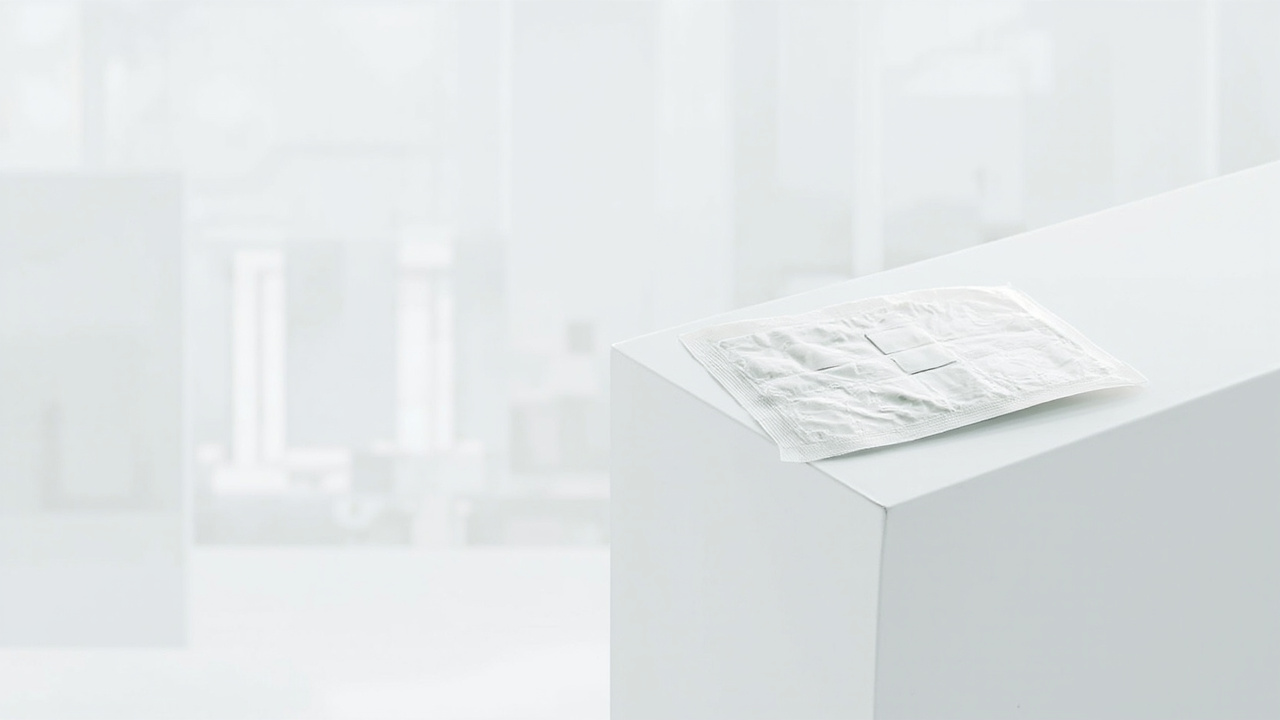
When a patient spikes a fever or an athlete pulls a muscle, the immediate instinct is to reach for an ice pack. For decades, cold therapy has been the gold standard for reducing inflammation and numbing pain. However, a quieter revolution has been unfolding in the transdermal and topical pain relief market: the rise of the cooling patch. These thin, gel-based patches promise targeted, hands-free, and consistent cooling—but do they actually outperform the traditional ice pack? And more importantly for manufacturers and healthcare providers: when does it make sense to switch? In this definitive guide, we will dissect the cooling patch vs ice pack debate with clinical evidence, market data, and practical applications. By the end, you will know exactly when cooling patches win—and when an ice pack is still the better choice.
Key Takeaways
- The Science of Cooling: How Patches and Ice Packs Differ
- Fever Management: Patches Offer Safer, More Comfortable Relief
- Pain Relief and Inflammation: Patch Performance in Athletic and Clinical Settings
- Practical Considerations: Duration, Convenience, and Safety
- When Ice Packs Are Still the Better Choice
- How to Choose the Right Solution for Your Business
Key Takeaways
- Cooling patches provide sustained, controlled cooling for 6–8 hours, whereas ice packs deliver intense cold for only 15–20 minutes before requiring reapplication.
- Hydrogel cooling patches are clinically proven to reduce skin temperature by 2–4°C without the risk of frostbite, making them safer for sensitive populations like children and the elderly.
- The global cooling patch market is projected to reach $1.2 billion by 2027, growing at a CAGR of 5.8% (Grand View Research, 2023).
- For OEM buyers, cooling patches offer lower logistics costs, longer shelf life, and higher margins compared to ice packs.
- Ice packs remain superior for acute, high-intensity pain where rapid, deep cooling is required—such as post-surgical swelling.
- Regulatory compliance (FDA, ISO 13485, GMP) is critical when sourcing cooling patches; choose a partner with proven certifications.
The Science of Cooling: How Patches and Ice Packs Differ
To understand when one outperforms the other, we must first examine the physiological mechanisms at play. Ice packs rely on conductive cooling—they absorb heat from the skin through direct contact, rapidly lowering tissue temperature. This triggers vasoconstriction, reduces metabolic rate, and numbs nerve endings, which is why ice is effective for acute injuries. However, the effect is short-lived: after 15–20 minutes, the ice melts or the body adapts, and the cooling effect plateaus. Additionally, ice packs can cause tissue damage if left on too long, leading to frostbite or nerve damage.
Cooling patches, on the other hand, use a hydrogel matrix that evaporates moisture slowly, creating a gentle, sustained cooling effect. The hydrogel is composed of 90% water and polymers, which absorb and dissipate heat over several hours. This mechanism produces a temperature drop of 2–4°C—sufficient for fever reduction and mild pain relief—without the risk of thermal injury. Moreover, patches adhere to the skin, ensuring consistent contact and eliminating the need for manual holding or wraps.
From a pharmacokinetic perspective, cooling patches can also be infused with active ingredients like menthol or lidocaine, offering dual-action relief. This is a significant advantage over ice packs, which provide only passive cooling. As a result, patches are increasingly used in clinical settings for fever management, post-operative care, and sports medicine.
Fever Management: Patches Offer Safer, More Comfortable Relief
One of the most common uses of cooling patches is fever reduction, particularly in children. A 2019 study published in the Journal of Clinical Nursing found that hydrogel cooling patches reduced axillary temperature by an average of 1.5°C within 30 minutes, with no adverse effects. In contrast, ice packs are rarely recommended for children due to the risk of shivering and discomfort, which can paradoxically increase metabolic heat production.
For parents, patches are a godsend: they can be applied to the forehead or body and left in place while the child sleeps. The patch’s flexibility allows it to conform to the skin, and its non-irritating adhesive is designed for sensitive skin. Furthermore, patches are discreet—children can wear them under clothing, reducing the psychological stress associated with visible treatment.
From a B2B perspective, the demand for fever patches is soaring. According to Grand View Research (2023), the global fever patch market size was valued at $450 million in 2022 and is expected to grow at a CAGR of 6.1% from 2023 to 2030. This growth is driven by increasing awareness of the risks of overmedication and a shift toward non-pharmacological interventions. For OEM manufacturers, this represents a lucrative opportunity to develop innovative patch designs with enhanced adhesion, longer duration, and skin-friendly materials.
Pain Relief and Inflammation: Patch Performance in Athletic and Clinical Settings
In sports medicine, cooling patches are gaining traction as a convenient alternative to ice baths and ice packs. A 2021 study in the International Journal of Sports Physical Therapy compared the effects of a menthol-infused cooling patch versus an ice pack on delayed-onset muscle soreness (DOMS). The results showed that while both reduced pain perception, the patch group reported significantly lower soreness at 24 and 48 hours post-exercise, likely due to the sustained cooling and menthol’s analgesic properties.
For chronic conditions like arthritis, cooling patches offer a practical solution for managing flare-ups. Unlike ice packs, which require the patient to remain still, patches allow freedom of movement. This is crucial for elderly patients who may have mobility issues. Additionally, patches can be worn under clothing, enabling discreet use at work or social events.
However, for acute injuries such as ankle sprains or muscle tears, ice packs still have an edge. The rapid, intense cooling provided by ice is essential for limiting swelling and preventing secondary tissue damage. In these cases, the American Academy of Orthopaedic Surgeons recommends applying ice for 15–20 minutes every 2–3 hours for the first 48 hours. A cooling patch cannot match this intensity, and attempting to use it in such scenarios may delay recovery.
Practical Considerations: Duration, Convenience, and Safety
When comparing the two, duration is a critical factor. Ice packs typically last 15–30 minutes before needing to be refrozen or replaced. This makes them impractical for overnight use or long car rides. Cooling patches, conversely, maintain efficacy for 6–8 hours, allowing uninterrupted relief. This extended duration is particularly beneficial for fever management, where consistent cooling is key to preventing spikes.
Convenience is another differentiator. Ice packs require preparation—freezing, wrapping in a towel, and monitoring to prevent frostbite. They also create mess as they melt. Patches are ready to use straight from the package, require no cleanup, and are easily portable. This convenience is driving adoption in travel, workplace, and school settings.
Safety profiles also differ. Ice packs can cause ice burns if applied directly to the skin, especially in individuals with reduced sensation (e.g., diabetics). Cooling patches, with their controlled temperature drop, are generally safe for all skin types. In fact, many patches are hypoallergenic and latex-free, minimizing the risk of contact dermatitis. For manufacturers, this safety advantage is a key selling point when marketing to pediatric and geriatric demographics.
Market Trends and Consumer Preferences
The cooling patch market is experiencing robust growth, driven by consumer demand for non-invasive, drug-free pain relief. According to MarketsandMarkets (2022), the global pain management patches market, which includes cooling patches, is projected to reach $8.5 billion by 2027, with a CAGR of 5.2%. This growth is fueled by an aging population, increasing incidence of chronic pain, and a shift toward self-care and home-based treatments.
Consumer preferences are also evolving. A 2023 survey by the Consumer Healthcare Products Association found that 68% of adults prefer topical pain relief products over oral medications due to concerns about side effects. Furthermore, 45% of respondents indicated they would pay a premium for products with natural ingredients and longer-lasting effects. This presents an opportunity for OEMs to develop patches with botanical extracts (e.g., aloe vera, chamomile) alongside cooling agents.
Geographically, Asia-Pacific is the fastest-growing region for cooling patches, owing to high fever prevalence and a strong tradition of topical therapies. North America and Europe remain significant markets, with a growing focus on sports medicine. For B2B buyers, partnering with a manufacturer that has a global distribution network and regulatory expertise is essential to capitalize on these trends.
When Ice Packs Are Still the Better Choice
Despite the advantages of cooling patches, there are situations where ice packs are unequivocally superior. Post-surgical recovery is one such scenario. After procedures like knee arthroscopy or dental surgery, patients require aggressive cooling to minimize swelling and hematoma formation. Ice packs provide the necessary intensity, and their short duration is manageable because patients are typically resting.
Another instance is heat-related emergencies, such as heat stroke, where rapid cooling is life-saving. Ice packs applied to the neck, armpits, and groin can quickly lower core body temperature. Cooling patches lack the power to achieve this critical reduction.
Additionally, for individuals who prefer a truly cold sensation, ice packs deliver a more intense experience. Some patients report that the numbing effect of ice is more satisfying for severe pain. In these cases, patches may feel too mild, leading to dissatisfaction.
Finally, cost can be a factor. Ice packs are reusable and inexpensive, whereas cooling patches are single-use and cost more per application. For budget-conscious consumers or healthcare facilities with high turnover, ice packs may be more economical.
How to Choose the Right Solution for Your Business
For B2B buyers—whether you are a hospital procurement manager, a pharmacy chain, or a consumer health brand—the decision between cooling patches and ice packs should be based on your target use case and customer needs. If you are serving pediatric fever management, sports medicine, or chronic pain, cooling patches are the clear winner due to their safety, duration, and compliance. If you are in acute care or emergency medicine, ice packs remain essential.
When sourcing cooling patches, prioritize quality and regulatory compliance. Look for manufacturers with FDA registration, ISO 13485 certification, and GMP compliance. These certifications ensure that the patches are safe, effective, and consistent in quality. Additionally, consider the patch’s adhesion, material breathability, and skin compatibility.
As an OEM partner, Kongdy Health has been manufacturing transdermal patches since 1989, serving clients in 120+ countries. Our FDA-registered, ISO 13485-certified facilities produce high-quality cooling patches that meet international standards. We offer customizable options in terms of size, shape, color, and active ingredients, allowing you to create a product that stands out in the market. With our expertise, you can launch a cooling patch line with confidence, backed by decades of R&D and manufacturing excellence.
Frequently Asked Questions
Q1: Can cooling patches replace ice packs for fever in children?
Yes, for most cases of fever in children, cooling patches are a safer and more comfortable alternative. They provide consistent cooling for hours without the risk of frostbite or shivering. However, if the fever is very high (above 39.5°C) or accompanied by severe symptoms, immediate medical attention is required, and cooling patches should be used as a complementary measure, not a substitute for professional care.
Q2: How long does a cooling patch actually last?
High-quality hydrogel cooling patches typically last between 6 and 8 hours. The duration depends on the environment (humidity, temperature) and the patch’s formulation. Some patches are designed for 12-hour use, but 8 hours is the industry standard. Always check the product label for specific duration, and replace the patch if it becomes dry or loses adhesion.
Q3: Are cooling patches safe for elderly patients with sensitive skin?
Cooling patches are generally safe for elderly patients, but it is important to choose patches that are hypoallergenic and free of common irritants like latex and fragrances. The gentle cooling effect is unlikely to cause thermal injury, but if the patient has compromised skin integrity or circulatory issues, consult a healthcare provider before use. Always perform a patch test on a small area first.
Sources
- Grand View Research – Fever Patch Market
- MarketsandMarkets – Pain Management Patches Market
- U.S. Food and Drug Administration – Medical Devices
- ISO 13485:2016 – Medical devices quality management