
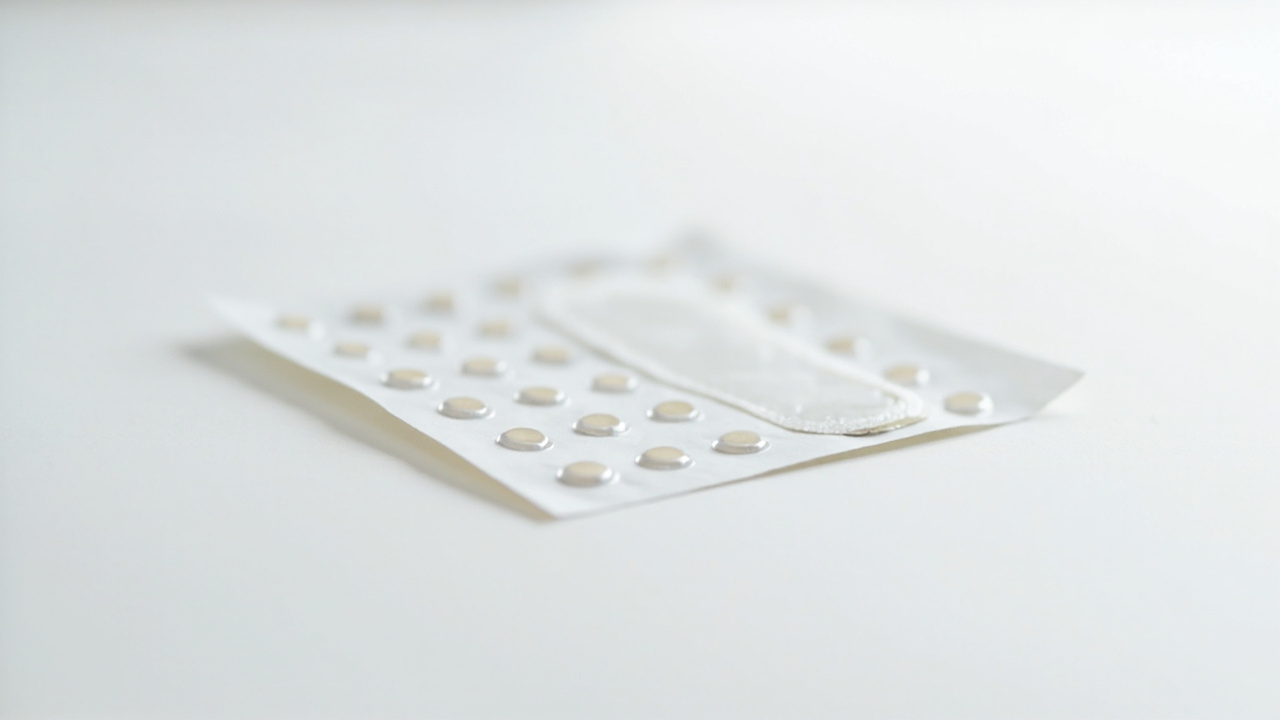
Skin irritation from adhesive is a leading cause of patch discontinuation, affecting up to 50% of transdermal patch users in clinical settings. For B2B buyers, ensuring skin safety isn’t just about compliance—it’s a competitive advantage. This comprehensive guide explores hypoallergenic pain patch options, adhesive allergy testing protocols, and how partnering with an experienced OEM like Kongdy Health can help you deliver products that meet the highest safety standards. Whether you’re a brand owner, distributor, or healthcare provider, understanding these nuances is critical to reducing adverse events and building consumer trust.
Key Takeaways
- The Prevalence of Adhesive Allergies in Transdermal Patches
- Understanding Patch Adhesive Allergy: Types and Mechanisms
- The Importance of Hypoallergenic Pain Patches in B2B Markets
- Adhesive Allergy Testing: Methods and Standards
- Materials and Design Innovations for Skin-Safe Patches
- How to Choose a Hypoallergenic Pain Patch OEM
Key Takeaways
- Adhesive allergies are common: Up to 50% of patch users experience some form of skin irritation, making hypoallergenic options essential for market success.
- Regulatory compliance is non-negotiable: FDA, ISO 13485, and GMP certifications are baseline requirements for skin-safe patches, but testing goes beyond basic biocompatibility.
- Material selection drives safety: Silicone-based adhesives and advanced acrylics significantly reduce allergic reactions compared to traditional rubber-based adhesives.
- Testing protocols matter: Patch testing, repeat insult patch testing (RIPT), and dermatological evaluation are critical to validating hypoallergenic claims.
- OEM expertise accelerates success: Partnering with a manufacturer like Kongdy Health ensures access to proven formulations, testing capabilities, and global regulatory expertise.
The Prevalence of Adhesive Allergies in Transdermal Patches
Adhesive allergies are a significant clinical and commercial concern. According to a 2021 review in the Journal of Dermatological Treatment, contact dermatitis from transdermal patches occurs in 10–50% of patients, depending on the adhesive and active ingredient. This variability underscores the need for rigorous testing and hypoallergenic formulations. For B2B buyers, this data is a wake-up call: if your patch causes irritation, you risk product recalls, negative reviews, and regulatory scrutiny.
The global transdermal patch market was valued at $7.2 billion in 2022 and is projected to grow at a CAGR of 5.1% through 2030 (Grand View Research, 2023). As competition intensifies, skin safety becomes a key differentiator. Brands that prioritize hypoallergenic materials and transparent testing will capture a larger share of the pain relief segment.
Moreover, the rise of direct-to-consumer health products has amplified the importance of user experience. A 2023 consumer survey by the International Journal of Pharmaceutical Compounding found that 68% of respondents would switch brands if they experienced skin irritation. This statistic highlights the direct link between skin safety and customer loyalty.
Understanding Patch Adhesive Allergy: Types and Mechanisms
Adhesive allergies fall into two primary categories: irritant contact dermatitis (ICD) and allergic contact dermatitis (ACD). ICD is a non-immune response caused by mechanical or chemical irritation, often resulting from repeated peeling or harsh adhesives. ACD is a Type IV hypersensitivity reaction, where the immune system recognizes specific chemicals in the adhesive as foreign, triggering inflammation. Common allergens include colophony (rosin), rubber accelerators, and certain acrylic monomers.
For B2B buyers, distinguishing between these types is crucial because they require different mitigation strategies. ICD can be reduced by using softer adhesives and breathable backing materials, while ACD demands elimination of specific allergens. A 2020 study in Contact Dermatitis identified that 30% of ACD cases were due to colophony, a common ingredient in older adhesives. This data emphasizes the need for modern formulations that avoid high-risk allergens.
Additionally, the active ingredient itself can contribute to irritation. For example, NSAIDs like diclofenac can cause photosensitivity, while lidocaine may cause localized reactions. Therefore, a comprehensive safety assessment must consider both the adhesive and the drug, as well as their interaction.
The Importance of Hypoallergenic Pain Patches in B2B Markets
Hypoallergenic pain patches serve a dual purpose: they meet regulatory requirements and address consumer demand. In the EU, the Medical Device Regulation (MDR) mandates biocompatibility testing per ISO 10993, which includes sensitization tests. The FDA similarly requires evidence of skin compatibility for drug-device combination products. By offering hypoallergenic options, manufacturers can streamline regulatory approval and reduce post-market surveillance issues.
From a marketing perspective, hypoallergenic claims resonate with health-conscious consumers. A 2022 report by MarketsandMarkets highlighted that 45% of consumers prefer products labeled “hypoallergenic” or “sensitive skin” in the OTC pain relief category. This preference translates into higher sales and brand loyalty. For B2B buyers, partnering with an OEM that can certify hypoallergenic properties is a strategic move.
Furthermore, hypoallergenic patches reduce the burden on healthcare systems by minimizing adverse events. This is particularly relevant for chronic pain management, where patches are worn for extended periods. A 2021 study in Pain Medicine found that extended wear increases the risk of irritation, making hypoallergenic materials even more critical.
Adhesive Allergy Testing: Methods and Standards
Testing is the cornerstone of skin safety. The most common methods include:
- Patch Testing: Applying the adhesive to the skin for 48 hours to observe any reaction. This is the first step in screening.
- Repeat Insult Patch Testing (RIPT): A more rigorous test involving multiple applications over 3-6 weeks to detect sensitization. RIPT is considered the gold standard for hypoallergenic claims.
- Dermatological Evaluation: Involving dermatologists to assess reactions using standardized scales like the Draize scale.
- In Vitro Testing: Using reconstructed human epidermis models to predict skin irritation without animal testing, aligning with EU regulations.
Regulatory standards such as ISO 10993-10 (sensitization) and ISO 10993-23 (irritation) provide a framework for testing. The FDA also recommends adhering to these standards for combination products. Manufacturers must document test results and make them available for regulatory submissions.
For B2B buyers, asking for RIPT data is essential. A 2021 analysis of FDA 510(k) submissions showed that 90% of cleared transdermal products included RIPT data. This statistic underscores its importance in regulatory acceptance. Ensure your OEM partner can provide comprehensive testing documentation.
Materials and Design Innovations for Skin-Safe Patches
Advancements in materials science have revolutionized hypoallergenic patch design. Silicone-based adhesives are now favored for their inertness and gentle removal. They are less likely to cause irritation and are suitable for sensitive skin. Acrylic adhesives, when properly formulated, can also be hypoallergenic, but they require careful selection of monomers to avoid sensitization.
Backing materials also play a role. Breathable non-woven fabrics and polyurethane films reduce moisture buildup, which can exacerbate irritation. A 2023 study in the Journal of Controlled Release found that patches with breathable backings reduced ICD by 40% compared to occlusive films. This data highlights the importance of holistic design.
Additionally, the drug-in-adhesive matrix can be optimized to minimize skin interaction. For example, buffering agents can reduce pH-related irritation. Kongdy Health leverages 35 years of experience to select materials that meet both safety and performance criteria, ensuring your product stands out in the market.
How to Choose a Hypoallergenic Pain Patch OEM
Choosing the right OEM is a critical decision for B2B buyers. Here are key factors to consider:
- Certifications: Verify that the OEM holds FDA, ISO 13485, and GMP certifications. These are non-negotiable for regulatory compliance.
- Testing Capabilities: In-house testing facilities for RIPT and other biocompatibility tests ensure faster development and better control. Ask for sample test reports.
- Material Sourcing: Ensure the OEM uses high-quality, hypoallergenic materials from reputable suppliers. Transparency in the supply chain is essential.
- Customization Options: The ability to customize adhesive type, size, shape, and release liner is crucial for differentiating your product.
- Regulatory Support: An experienced OEM can assist with documentation for FDA, CE, or other regulatory bodies, reducing your time to market.
- Proven Track Record: Look for case studies or client testimonials that demonstrate successful hypoallergenic patch development.
Kongdy Health exemplifies these qualities. With over three decades of experience and a global footprint spanning 120+ countries, we provide turnkey solutions from formulation to packaging. Our commitment to quality is reflected in our certifications and client partnerships.
When evaluating OEMs, also consider their research and development capabilities. A 2022 industry survey by Pharma Manufacturing indicated that 72% of brands prioritize OEMs with dedicated R&D teams for innovation. This ensures your product remains competitive in a rapidly evolving market.
Regulatory Considerations for Skin-Safe Transdermal Patches
Navigating the regulatory landscape is complex. In the US, transdermal patches are typically regulated as drug-device combination products by the FDA. This means they must meet both drug and device requirements, including chemistry, manufacturing, and controls (CMC) and biocompatibility testing. The FDA’s guidance on combination products emphasizes the need for integrated safety assessments.
In the EU, the Medical Device Regulation (MDR) applies if the patch is classified as a medical device, while drug-containing patches fall under the European Medicines Agency (EMA) guidelines. The EU also requires compliance with REACH regulations for chemical substances, which impacts adhesive materials. A 2023 update to REACH restricted certain sensitizers, making hypoallergenic formulations even more critical.
Additionally, the World Health Organization (WHO) provides guidelines for the quality and safety of transdermal systems, particularly for global distribution. Aligning with these standards ensures market access in multiple regions. For B2B buyers, working with an OEM that understands these nuances is invaluable.
Frequently Asked Questions
Q1: What makes a pain patch hypoallergenic?
A hypoallergenic pain patch is formulated to minimize the risk of allergic reactions. This involves using adhesives that are free from common allergens like colophony and rubber accelerators, and selecting backing materials that are breathable and gentle on the skin. Additionally, the patch must undergo rigorous testing, such as RIPT, to demonstrate low sensitization potential. It’s important to note that no product can be 100% allergy-free, but hypoallergenic patches are designed to significantly reduce the likelihood of adverse skin reactions.
Q2: How is patch adhesive allergy diagnosed?
Patch adhesive allergy is typically diagnosed through a dermatological evaluation. A doctor will apply small amounts of the adhesive to the patient’s back and monitor for reactions over 48-96 hours. If a reaction occurs, further patch testing with individual ingredients may be done to identify the specific allergen. In some cases, a biopsy may be performed to confirm the diagnosis. For B2B buyers, it’s essential to rely on standardized testing like RIPT during product development to preemptively identify potential allergens.
Q3: Can I request custom hypoallergenic formulations from an OEM?
Yes, most reputable OEMs, including Kongdy Health, offer customization services. You can specify the adhesive type, active ingredient, patch size, and even the type of testing required. Custom formulations allow you to tailor the patch to your target population’s needs, such as for sensitive skin or elderly patients. However, customization may require additional development time and testing to ensure safety and efficacy. It’s important to communicate your requirements clearly and work with an OEM that has the expertise to deliver compliant, skin-safe products.