
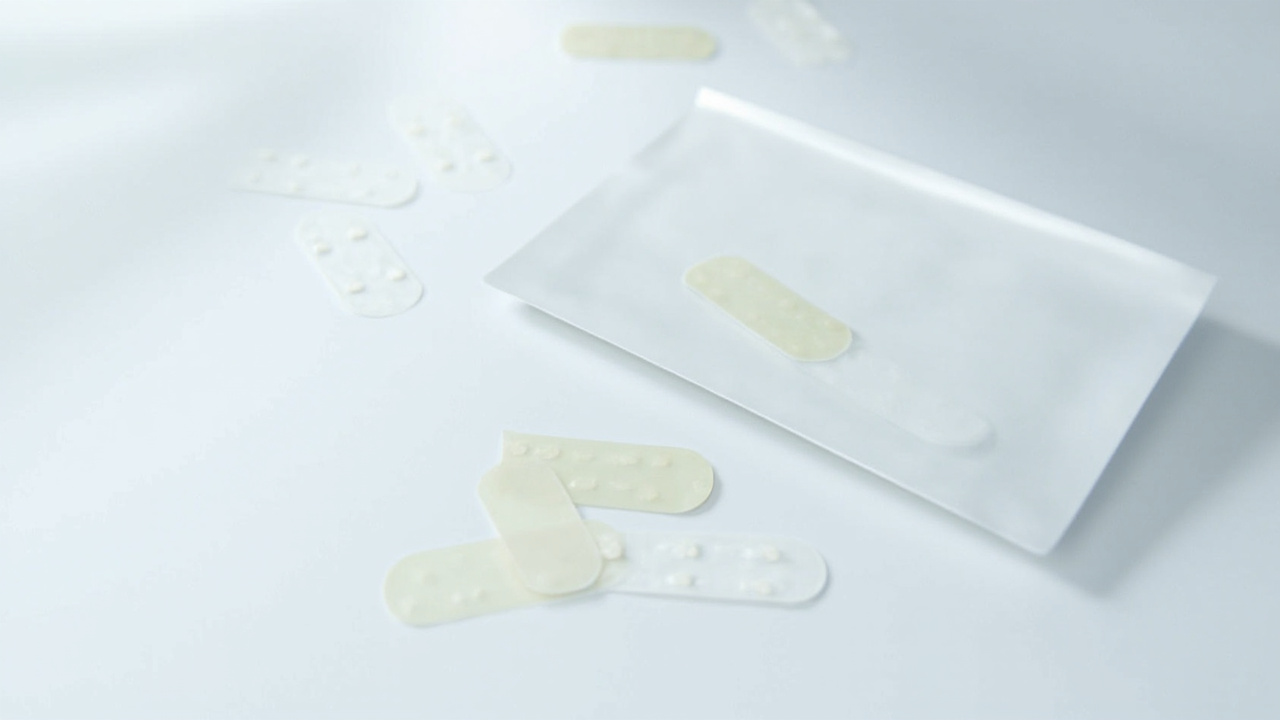
The transdermal patch market is experiencing unprecedented growth, with the global market valued at approximately $7.2 billion in 2023 and projected to reach $10.5 billion by 2030 (Grand View Research, 2024). For B2B brands looking to enter the lucrative US market, navigating the FDA’s regulatory pathways is the single most critical step. This comprehensive guide explains the FDA patch registration process, demystifies the OTC vs. prescription distinction, and provides actionable steps for successful US market entry. Whether you’re a startup or an established international manufacturer, understanding these pathways is essential to avoid costly delays and compliance issues.
Key Takeaways
- Understanding FDA Regulatory Framework for Transdermal Patches
- FDA Registration Process: Step-by-Step
- The OTC Monograph Pathway vs. NDA
- Key Data and Statistics: US Patch Market
- Quality Systems and GMP Compliance
- Post-Market Surveillance and Compliance
Key Takeaways
- The US transdermal patch market is projected to grow at a CAGR of 5.6% from 2024 to 2030, driven by demand for non-invasive drug delivery.
- FDA classifies patches as either drugs or devices; OTC patches typically follow the drug pathway via a Monograph or NDA.
- FDA registration involves establishment registration, drug listing, and compliance with cGMP (21 CFR Part 210/211).
- Partnering with an experienced OEM like Kongdy Health can streamline regulatory submissions and ensure manufacturing compliance (ISO 13485, GMP).
- Post-market surveillance and adverse event reporting are ongoing obligations for all patch brands.
- Failure to comply with FDA regulations can result in import alerts, product seizures, and significant financial penalties.
Understanding FDA Regulatory Framework for Transdermal Patches
The FDA regulates transdermal patches under two primary categories: drugs and devices. The classification depends on the primary mode of action. Most therapeutic patches (e.g., nicotine, pain relief, hormonal) are considered drugs because they deliver medication through the skin. However, some patches that provide physical barrier functions may be classified as devices. This distinction determines the regulatory pathway: drugs require approval via a New Drug Application (NDA) or Abbreviated New Drug Application (ANDA), or they must conform to an OTC Monograph. Devices, on the other hand, may require a 510(k) submission or De Novo request.
For OTC patches, the FDA’s Tentative Final Monograph (TFM) for external analgesic drug products covers ingredients like menthol, camphor, and lidocaine. If your patch contains an ingredient not covered by a Monograph, you must file an NDA. The approval process for an NDA can take 8-12 months and cost an average of $500,000 to $2 million (depending on the complexity), while Monograph compliance is faster and less costly. Understanding which pathway applies to your product is the first step in your US market entry strategy.
FDA Registration Process: Step-by-Step
Registering your patch with the FDA involves several mandatory steps. First, you must establish an establishment registration if you are the owner or operator of a facility that manufactures, repacks, relabels, or holds the product. This is done via the FDA’s Unified Registration and Listing System (FURLS). Registration must be renewed annually between October 1 and December 31. Second, you must list your drug product with the FDA, providing details about the ingredients, dosage form, and labeling. This listing is also done through FURLS.
In addition to registration and listing, you must comply with Current Good Manufacturing Practices (cGMP) as outlined in 21 CFR Parts 210 and 211. This includes establishing quality control systems, maintaining detailed records, and ensuring your manufacturing facility passes FDA inspections. If you contract with an OEM, they must also be registered and compliant. The FDA may inspect your facility or your OEM’s facility without prior notice, so it’s crucial to maintain rigorous quality standards.
The OTC Monograph Pathway vs. NDA
For OTC patches, the most straightforward route is the OTC Monograph system. Under the Monograph, a product can be marketed without an approved NDA if it meets specific conditions: active ingredients, dosage, labeling, and testing. For example, lidocaine patches up to 4% are generally recognized as safe and effective for OTC use. However, the Monograph system is currently being modernized under the Coronavirus Aid, Relief, and Economic Security (CARES) Act, which created a new administrative order process. This means that the FDA will issue orders to amend or create Monographs, and companies must comply with final orders.
If your patch does not fit a Monograph, you must pursue an NDA. This involves rigorous clinical trials to demonstrate safety and efficacy. For a new drug, the process includes preclinical studies, Phase I-III trials, and a comprehensive NDA submission with data on chemistry, manufacturing, and controls (CMC). The FDA has 60 days to file the NDA, then up to 10 months to review it. This pathway is expensive and time-consuming but necessary for novel formulations. Many brands choose to partner with an experienced OEM to navigate these complexities.
Key Data and Statistics: US Patch Market
- The US transdermal patch market is the largest globally, accounting for over 40% of the worldwide revenue in 2023 (Grand View Research).
- The nicotine replacement therapy (NRT) segment is expected to grow at a CAGR of 4.8% through 2030, driven by smoking cessation initiatives (MarketsandMarkets, 2024).
- Pain management patches, including lidocaine and diclofenac, represent a $2.1 billion market in the US as of 2023 (Fortune Business Insights).
These figures highlight the lucrative opportunities for patch brands. However, the FDA’s stringent regulations require a thorough understanding of the market entry process. By leveraging regulatory expertise and manufacturing partnerships, brands can successfully launch products in the US.
Quality Systems and GMP Compliance
Beyond FDA registration, compliance with international quality standards is critical. ISO 13485 is an internationally recognized standard for quality management systems in medical devices, but for drug products, the FDA’s cGMP is the benchmark. Many OEMs, including Kongdy Health, hold both ISO 13485 and GMP certifications, ensuring that their manufacturing processes meet global standards. When selecting an OEM partner, verify their certifications and audit history. The FDA’s compliance database can reveal warning letters or import alerts, which are red flags.
In addition, if you plan to export to other markets, CE marking may be required for medical devices in the EU. Although this guide focuses on the US, a robust quality system will facilitate international expansion. Kongdy Health, with its 30+ years of experience, ensures that its OEM services align with both FDA and international standards, providing a seamless path for global brands.
Post-Market Surveillance and Compliance
Once your patch is on the US market, you have ongoing obligations. You must report adverse events to the FDA’s MedWatch program within 15 days for serious events. You are also required to conduct post-market surveillance studies if the FDA mandates them. Additionally, you must update your drug listing annually and report any changes to the product or manufacturing process. Non-compliance can lead to enforcement actions, including fines, product recalls, or even criminal charges.
To manage these obligations, it’s essential to have a robust pharmacovigilance system in place. Your OEM partner can assist with quality control but may not handle regulatory affairs. Many brands hire regulatory consultants or legal counsel specializing in FDA law. Building a compliance team early will save you from costly mistakes later.
Partnering with an Experienced OEM
Entering the US market requires not only regulatory expertise but also reliable manufacturing. A reputable OEM partner can provide:
- Regulatory Support: Assistance with FDA registration, drug listing, and compiling necessary documentation.
- Manufacturing Excellence: Facilities that comply with cGMP, ISO 13485, and other standards, with validated processes for transdermal patch production.
- Quality Assurance: Comprehensive testing and quality control to ensure batch consistency and product safety.
- Scalability: The ability to scale production from pilot batches to commercial volumes while maintaining quality.
Kongdy Health, with over three decades of experience, has helped numerous brands navigate the complexities of US market entry. Our FDA-compliant facilities and dedicated regulatory team ensure that your product meets all requirements. We offer end-to-end OEM/ODM services, from formulation development to final packaging. To learn more, visit our OEM/ODM services page.
Frequently Asked Questions
Q1: What is the difference between a drug and a device for transdermal patches?
The FDA classifies a transdermal patch as a drug if it delivers a drug substance that is absorbed through the skin to exert a systemic effect. If the patch serves a physical function, such as a barrier or support, it may be considered a device. For example, a nicotine patch is a drug, while a hydrocolloid patch for wound care might be a device. The classification determines the regulatory pathway. Drug patches must comply with cGMP and either meet an OTC Monograph or obtain NDA approval. Device patches may require a 510(k) submission if they are substantially equivalent to a predicate device.
Q2: How long does FDA approval take for an OTC patch?
The timeline varies depending on the pathway. If your patch meets an existing OTC Monograph, you can market it immediately after registration and listing, which typically takes 1-3 months. However, if you need to file an NDA, the process takes significantly longer. After completing clinical trials, the FDA has 60 days to file your NDA, then up to 10 months for review. In total, NDA approval can take 1-2 years or more, depending on the complexity of the product and the data required. It’s essential to plan for these timelines when entering the US market.
Q3: Can I use a foreign manufacturer for my FDA-registered patch?
Yes, you can use a foreign manufacturer, but they must be registered with the FDA and listed as a foreign supplier. The FDA requires that foreign establishments register and list their products, and they are subject to inspections. Additionally, the importer of record is responsible for ensuring compliance. When working with an overseas OEM, it’s crucial to verify their FDA registration and compliance history. Partnering with an experienced OEM like Kongdy Health, which has a proven track record with FDA inspections, can simplify this process.
Sources
- Grand View Research – Transdermal Patches Market
- MarketsandMarkets – Transdermal Patches Market
- FDA – Drug Approval Reports
- ISO 13485:2016 – Medical devices quality management